Why Leave a Square Unpainted for the Temple?
Jewish laws and customs keep the loss of the Temple and Jerusalem present in daily life and at moments of joy.
In brief
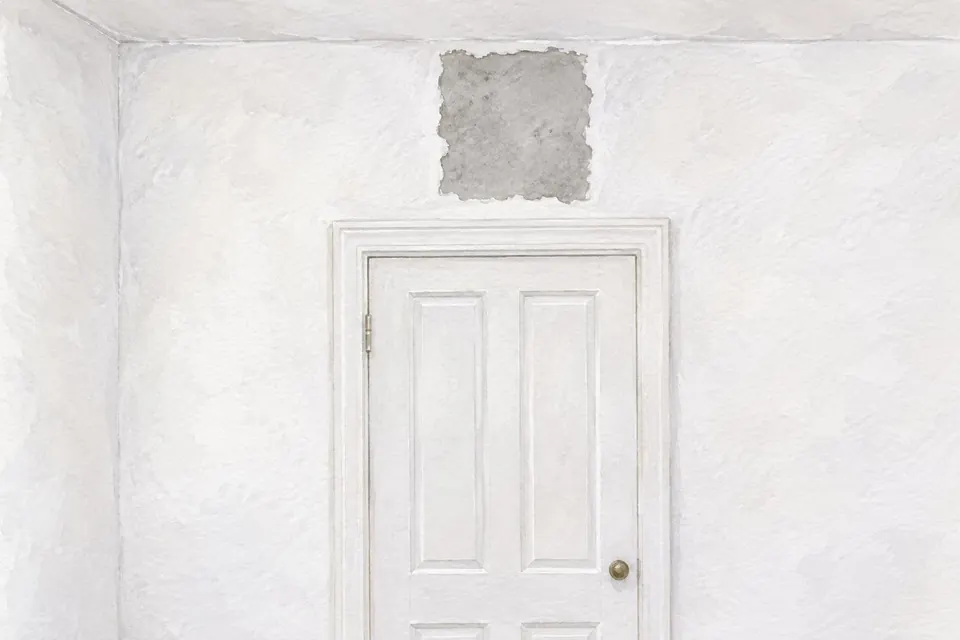
- A person whitewashing a home must leave a square unfinished in memory of the Temple.
- Someone seeing the Temple site after more than 30 days recites a blessing and tears a garment, subject to the laws and exceptions described here.
- Prayers, wedding customs, and restrictions on music also express mourning for the Temple.
- The article sets out rules for conduct at the Western Wall and entry onto the Temple Mount.
The Talmud says: “Whoever mourns for Jerusalem will merit to see her in her joy” (Taanit 30b).
Despite the long centuries of exile, in which the Jewish people have been like wanderers deprived of their holy places, our hope and confidence have never faded. We trust that very soon the gates of the Temple will open to those who come, and its service will resume. Our prayers for this are heartfelt because the pain of loss remains as sharp as ever. How quickly the Third Temple is built depends in large measure on our prayers and our proper actions. The Sages’ enactments requiring mourning for the Temple and Jerusalem help keep the tragedy present in our minds.
Besides the designated days of mourning, which occupy a substantial part of the year—the period from the 17th of Tammuz through the 10th of Av, the 3rd of Tishrei, and the 10th of Tevet—there are many laws and customs of mourning that apply at all times and form part of every Jew’s life.
1. An Unfinished Square in the Home#
The Sages made a special enactment that anyone who whitewashes a home must leave an area of wall unpainted, one cubit by one cubit: 48 by 48 cm (about 19 by 19 inches), or, according to other opinions, 58 by 58 cm (about 23 by 23 inches). Its purpose is to provide a constant reminder that the Temple has not yet been rebuilt. This law applies both in the Land of Israel and in the Diaspora. The book Moed Lechol Chai says that a home in which a square cubit was left unpainted will never collapse. If the walls have already been completely whitewashed, the whitewash must be removed from an area of the specified size.
If keeping this enactment would cause conflict in the family—with a wife, parents, or others—one should consult a knowledgeable rabbi about how to proceed.
Some leave an unpainted square in every room. Others leave one square in the apartment, opposite the entrance, so that on entering the home a person immediately thinks about the enormity of the loss of the Temple. If it cannot be left opposite the entrance door, it is left above the door. If it cannot be left on a wall, it is left on the ceiling.
The unwhitewashed area should be square. When that is impossible, it is made rectangular, with the same area as a square cubit: 2,300 cm² (about 357 square inches), or 3,364 cm² (about 521 square inches).
The enactment specifically requires leaving an area unwhitewashed. A black square, or one with an image of the Western Wall or other symbols, does not fulfill it. Even after leaving the area unpainted, one should not put pictures or writing inside it.
If a wall is wallpapered, a square should likewise be left without wallpaper.
If an apartment was purchased from a non-Jew, there is no obligation to remove paint, since there was no obligation to leave an unwhitewashed area when it was painted. When the new Jewish owners whitewash it in the future, they must leave an unwhitewashed square of the specified size. If, however, the apartment was purchased from a Jew who was obligated to leave an unpainted area but did not, the new owners must remove the whitewash from an area of the required size and location. Only the whitewash is removed; the plaster need not be touched.
A tenant is not obligated to remove paint from a wall that has already been whitewashed. If the tenant rents from a non-Jew, they must leave an unpainted area when whitewashing the apartment. If the owner is Jewish, the obligation to fulfill the enactment rests with the owner. Still, when whitewashing, a tenant who wishes may leave an unpainted square without informing the owner. To remove paint from a wall whitewashed by the owner, however, the tenant must obtain the owner’s permission.
There is no obligation to leave an unwhitewashed area in synagogues or yeshivas. One must leave it in stores, hotels, event halls, restaurants, offices, and similar places.
2. Seeing the Temple Site#
The Talmud records several enactments of the Sages concerning special blessings to be recited by someone who sees the destroyed cities of Judea, the ruins of Jerusalem, or the site where the Temple stood.
In the Jewish view of life, one should recite a blessing over tragic events—even the death of those closest to us—with the same confidence in the Creator’s absolute goodness and mercy as when blessing Him for joyful events such as a wedding or the birth of a child. The Creator takes something from a person or gives something to them only when it is good for them, even if that is not immediately clear.
According to the Torah sages, the cities of Judea, Jerusalem, and the Temple were destroyed in place of the Jewish people. The people’s sins had so tipped the scales of justice that the Jews, who are one whole and collectively responsible for one another, should have perished. But in His great mercy, the Creator changed the decree: instead of perishing, they would lose their holy places and go into exile. Even when we live in the Holy Land, this can be called exile if the Temple has not been rebuilt, and all the more so when the people of Israel are subject to rulers who do not govern according to Torah law.
Today, the precise locations of the holy cities of Judea are not known, so in practice this blessing is not recited. According to contemporary rabbis, a person should not recite a blessing upon seeing the ancient part of Jerusalem either. However, someone who sees the site where the Temple stood for the first time must recite the verse from Isaiah (64:10):
בֵּית קָדְשֵׁנוּ וְתִפְאַרְתֵּנוּ אֲשֶׁר הִלְלוּךָ אֲבֹתֵינוּ הָיָה לִשְׂרֵפַת אֵשׁ וְכָל מַחֲמַדֵּינוּ הָיָה לְחָרְבָּה
“Our holy and glorious house, where our ancestors praised You, has been consumed by fire, and all that we treasured has become ruins.”
Then one says:
בָּרוּךְ דַּיַּן הָאֱמֶת
Baruch Dayan HaEmet—“Blessed is the true Judge.”
The blessing is said without mentioning God’s name, and one tears a garment as a sign of mourning for the destroyed holy places. The same law applies when a person has not seen the site for more than 30 days.
Those who live in the ancient part of Jerusalem are there constantly and are therefore not obligated to tear their clothing. Someone who lives in the “new” neighborhoods of Jerusalem should ask their rabbi how to proceed.
In any case, a person who has left Jerusalem for more than 30 days must recite the blessing and tear a garment.
The blessing and the tearing of a garment, known as keriah, should take place when a person can clearly see the site of the Temple—from elevated places in the Old City or from the top of the Mount of Olives—or can at least see one of the buildings, the mosques, now standing there. Some perform keriah at the Western Wall.
On the day a person performs keriah, it would be proper to abstain from meat and wine.
Men from the age of 13 and women from the age of 12 are obligated to perform keriah. It is not customary to train children to fulfill this mitzvah.
It is permanently forbidden to sew up the torn garment in the usual way. One may only baste it with coarse, uneven stitches. A woman who performs keriah immediately fastens the torn area with a pin, in keeping with standards of propriety and modesty.
A blind person is not obligated to perform keriah.
Keriah is not performed on Shabbat or Yom Tov, the festivals: the first and last days of Passover, or the first two and last two days in the Diaspora; Shavuot, observed for two days in the Diaspora; the two days of Rosh Hashanah; Yom Kippur; the first day of Sukkot, or the first two days in the Diaspora; and Simchat Torah, or Shemini Atzeret and Simchat Torah in the Diaspora. Nor is it performed after midday on the eve of Passover, the time when the Passover offering was brought; on Chol Hamoed, the intermediate festival days; or on Purim, both the 14th and the 15th of Adar. It is performed on Rosh Chodesh, the new month, and on Hanukkah. Customs also differ regarding other times, such as the eve of Shabbat and festivals, and motzaei Shabbat, the period after Shabbat ends. Each person should ask their rabbi which custom to follow.
On their wedding day before the chuppah, the wedding canopy, an Ashkenazi bride and groom perform keriah; Sephardi couples do not. After the chuppah, neither Ashkenazi nor Sephardi couples perform keriah during the seven days that follow.
If a person sees the Temple site on a day when keriah is not performed and sees it again less than 30 days later, they are not obligated to tear a garment. The same applies if they saw the Temple site less than 30 days earlier on a day when keriah is performed but forgot to do it or did not know of the obligation.
One should tear only a garment worn both at home and outdoors. Jackets, raincoats, and other outerwear need not be torn. It is not customary to tear a sweater. Someone who normally wears a suit jacket should preferably remove it before the obligation to perform keriah arises. It is also not customary to tear underclothing. Men therefore generally tear a shirt, and women a blouse or dress.
One may deliberately put on old, unneeded clothing to tear rather than new clothing that is still needed. It is forbidden to damage someone else’s clothing, so a person wearing someone else’s garment is exempt from keriah. However, Torah sages do not approve of people borrowing clothing to avoid the obligation, or, even more so, temporarily “selling” their own clothing in order to “buy” it back afterward. According to some opinions, such a sale is invalid altogether, and the clothing remains the owner’s property.
Keriah is performed standing, without leaning on anything. The garment should be torn by hand, but the tear is started with a knife or scissors to make it easier. The tear is made from top to bottom along the length of the garment, on the left side, and is 10 cm (about 4 inches) long.
As noted above, it is not customary today to perform keriah in mourning for Jerusalem. However, someone who performs keriah for the destroyed Temple and sees the Old City would do well to extend the 10 cm tear a little in mourning for Jerusalem.
If the tear was made across the garment, from right to left or left to right, it must be torn again from top to bottom. If it was mistakenly torn on the right side rather than the left, it need not be torn again on the left.
One may perform keriah several times on the same garment, provided each new tear is 7 cm (about 2¾ inches) from the previous one.
After keriah, it is customary to recite:
כִּי כָל מִשְׁפָּטָיו צֶדֶק וֶאֱמֶת. הַצּוּר תָּמִים פָּעֳלוֹ כִּי כָל דְּרָכָיו מִשְׁפָּט, אֵ-ל אֱמוּנָה וְאֵין עָוֶל צַדִּיק וְיָשָׁר הוּא. וְאַתָּה צַדִּיק עַל כָּל הַבָּא עָלֵינוּ, כִּי אֱמֶת עָשִׂיתָ וַאֲנַחְנוּ הִרְשָׁעְנוּ.
“For all His judgments are just and true. The Rock, His work is perfect, for all His ways are just. He is a faithful God, without injustice; righteous and upright is He. And You are righteous in all that has come upon us, for You have acted faithfully, while we have acted wickedly.” [Deuteronomy 32:4; Nehemiah 9:33]
When the tear was made a little longer than 10 cm in mourning for Jerusalem, one also recites this verse from Isaiah (64:9):
עָרֵי קָדְשְׁךָ הָיוּ מִדְבָּר צִיּוֹן מִדְבָּר הָיָתָה יְרוּשָׁלִַם שְׁמָמָה
“Your holy cities have become a wilderness; Zion has become a wilderness, Jerusalem a desolation.”
After this, one prays for the Third Temple (Psalms 90:15–16):
שַׂמְּחֵנוּ כִּימוֹת עִנִּיתָנוּ שְׁנוֹת רָאִינוּ רָעָה. יֵרָאֶה אֶל עֲבָדֶיךָ פָעֳלֶךָ וַהֲדָרְךָ עַל בְּנֵיהֶם.
“Give us joy for as many days as You afflicted us, for the years in which we saw suffering. Let Your work be seen by Your servants, and Your splendor by their children.”
One recites a verse from Proverbs (15:25):
בֵּית גֵּאִים יִסַּח יְ-הֹ-וָ-ה וְיַצֵּב גְּבוּל אַלְמָנָה
“God tears down the house of the proud, but establishes the widow’s boundary.”
It is also appropriate to read chapter 79 of Psalms, the psalms of David:
מִזְמוֹר לְאָסָף אֱלֹהִים בָּאוּ גוֹיִם בְּנַחֲלָתֶךָ טִמְּאוּ אֶת הֵיכַל קָדְשֶׁךָ שָׂמוּ אֶת יְרוּשָׁלִַם לְעִיִּים
נָתְנוּ אֶת נִבְלַת עֲבָדֶיךָ מַאֲכָל לְעוֹף הַשָּׁמָיִם בְּשַׂר חֲסִידֶיךָ לְחַיְתוֹ אָרֶץ
שָׁפְכוּ דָמָם כַּמַּיִם סְבִיבוֹת יְרוּשָׁלִָם וְאֵין קוֹבֵר
הָיִינוּ חֶרְפָּה לִשְׁכֵנֵינוּ לַעַג וָקֶלֶס לִסְבִיבוֹתֵינוּ
עַד מָה יְקֹוָק תֶּאֱנַף לָנֶצַח תִּבְעַר כְּמוֹ אֵשׁ קִנְאָתֶךָ
שְׁפֹךְ חֲמָתְךָ אֶל הַגּוֹיִם אֲשֶׁר לֹא יְדָעוּךָ וְעַל מַמְלָכוֹת אֲשֶׁר בְּשִׁמְךָ לֹא קָרָאוּ
כִּי אָכַל אֶת יַעֲקֹב וְאֶת נָוֵהוּ הֵשַׁמּוּ
אַל תִּזְכָּר לָנוּ עֲוֹנֹת רִאשֹׁנִים מַהֵר יְקַדְּמוּנוּ רַחֲמֶיךָ כִּי דַלּוֹנוּ מְאֹד
עָזְרֵנוּ אֱלֹהֵי יִשְׁעֵנוּ עַל דְּבַר כְּבוֹד שְׁמֶךָ וְהַצִּילֵנוּ וְכַפֵּר עַל חַטֹּאתֵינוּ לְמַעַן שְׁמֶךָ
לָמָּה יֹאמְרוּ הַגּוֹיִם אַיֵּה אֱלֹהֵיהֶם יִוָּדַע בגיים בַּגּוֹיִם לְעֵינֵינוּ נִקְמַת דַּם עֲבָדֶיךָ הַשָּׁפוּךְ
תָּבוֹא לְפָנֶיךָ אֶנְקַת אָסִיר כְּגֹדֶל זְרוֹעֲךָ הוֹתֵר בְּנֵי תְמוּתָה
וְהָשֵׁב לִשְׁכֵנֵינוּ שִׁבְעָתַיִם אֶל חֵיקָם חֶרְפָּתָם אֲשֶׁר חֵרְפוּךָ אֲדֹנָי
וַאֲנַחְנוּ עַמְּךָ וְצֹאן מַרְעִיתֶךָ נוֹדֶה לְּךָ לְעוֹלָם לְדֹר וָדֹר נְסַפֵּר תְּהִלָּתֶךָ:
“A psalm of Asaph. God, nations have entered Your inheritance; they have defiled Your holy Temple and reduced Jerusalem to ruins. They have given the bodies of Your servants as food to the birds of the sky, the flesh of Your faithful ones to the beasts of the earth. They have poured out their blood like water around Jerusalem, and there is no one to bury them.
“We have become a disgrace to our neighbors, an object of scorn and ridicule to those around us. How long, God? Will You be angry forever? Will Your indignation burn like fire? Pour out Your anger on the nations that do not know You and on the kingdoms that do not call upon Your name. For they have devoured Jacob and laid waste his dwelling.
“Do not hold the sins of earlier generations against us. Let Your compassion come quickly to meet us, for we have been brought very low. Help us, God of our salvation, for the glory of Your name. Save us and atone for our sins for the sake of Your name.
“Why should the nations say, ‘Where is their God?’ Let the nations know before our eyes that the spilled blood of Your servants has been avenged. Let the groans of the prisoner reach You; with the greatness of Your power preserve those condemned to die. Repay our neighbors sevenfold for the insults with which they insulted You, God.
“And we, Your people and the flock of Your pasture, will thank You forever; from generation to generation we will tell of Your praise.”
To conclude keriah, one recites a special prayer:
וּכְשֵם שֶרְאִיתִיו בְּחֻרְבָּנוֹ, כַּךְ אֶזְכֶּה לִרְאוֹת בְּבִנְיָנוֹ בְּיִשּוּב אַרְמוֹן עַל כַּנּוֹ.
יְהִי רָצון מִלְּפָנֶיךָ ה’ אֱלהֵינוּ וֵאלהֵי אֲבותֵינוּ. שֶׁיִּבָּנֶה בֵּית הַמִּקְדָּשׁ בִּמְהֵרָה בְיָמֵינוּ. וְתֵן חֶלְקֵנוּ בְּתורָתֶךָ: וְשָׁם נַעֲבָדְךָ בְּיִרְאָה כִּימֵי עולָם וּכְשָׁנִים קַדְמונִיות.
“Just as I have seen it in ruins, may I merit to see it rebuilt, with the palace restored to its place.
“May it be Your will, God, our God and God of our ancestors, that the Temple be rebuilt speedily in our days, and grant us our share in Your Torah. There we will serve You in awe, as in days of old and former years.”
One may immediately change the torn garment for an untorn one.
Someone who has not been at the Western Wall for more than 30 days recites the blessing “Dayan HaEmet” even on days when keriah is not performed.
Conduct at the Western Wall#
One should behave with dignity at the Western Wall. According to a number of opinions, it is the eastern wall of the Temple; others say it is the eastern wall of the Temple Mount. Frivolous conversation is forbidden there. It is preferable not to smoke, drink, eat, or speak on the phone. If possible, one should not bring weapons into the area adjoining the Western Wall. According to some opinions, one should not approach the Wall itself; other rabbis permit touching and kissing its stones. It is forbidden to take fragments of the stones or sand from between them. When leaving the Western Wall, one should depart facing it and bowing slightly.
To ascend the Temple Mount, which lies beyond the Western Wall, a person must be ritually pure. Today everyone is ritually impure because we lack the necessary conditions and materials, including the ashes of the red cow, for purification from tumat met, impurity caused by contact with the dead. Therefore, no one has the right to ascend the Temple Mount.
Someone who enters the site where the Temple stood in defiance of the Torah’s prohibition is subject to the most severe punishment, karet, the soul’s excision from the Jewish people. When human life is in danger, all Torah prohibitions except three—idolatry, sexual immorality, and murder—are set aside. Therefore, soldiers and police officers may enter the Temple Mount when they must patrol these places to provide security. They should try to spend as little time there as possible, immerse in a mikveh beforehand, and shave their heads, except for the areas at the temples that may not be shaved. They should not take anything with them that they can do without.
3. Remembrance in Prayer#
As a sign of mourning for the destroyed Temple, it is customary to recite Psalm 137 before Grace After Meals (Birkat Hamazon), the blessing recited after a meal with bread. It is not recited on Shabbat, festivals, or other days when Tachanun, the penitential prayer, is omitted. Grace After Meals itself, as well as its shorter form recited after eating baked goods or the kinds of fruit for which the Land of Israel is praised, or after drinking wine, contains a special mention of the Temple. Several passages in the prayer recited three times daily and in the Shabbat and festival prayers are devoted to the Temple and Jerusalem.
4. Listening to Music#
By a special enactment of the Sages, listening to music was forbidden after the destruction of the Temple. The enactment did not apply on occasions of celebration and joy connected with festivals and the performance of mitzvot. This law has many details and conditions, and in each situation one should consult a competent rabbi. In practice today, when people are more prone to depression and suffer more often from stress and similar difficulties, many permit listening to music—except during weekday meals, on waking in the morning, and when going to sleep.
5. Instruments at Jerusalem Weddings#
After the terrible epidemic of 5625 (1865), prominent rabbis of the Ashkenazi community strictly forbade playing musical instruments at weddings held within Jerusalem. According to the accepted custom, only percussion instruments are permitted.
6. Breaking a Plate at an Engagement#
At an engagement, erusin, it is customary to break a ceramic plate or dish in memory of the destroyed holy places.
7. Wedding Customs#
There are other wedding customs associated with mourning for the Temple. Among Ashkenazim, the groom places a little ash where the head tefillin are worn and recites Psalm 137:5:
אִם אֶשְׁכָּחֵךְ יְרוּשָׁלִָם תִּשְׁכַּח יְמִינִי
“If I forget you, Jerusalem, let my right hand forget.”
This roughly means that I cannot forget Jerusalem any more than I can forget my right hand, which is active and constantly at work. Another rendering is: “May my right hand wither if I forget Jerusalem.”
Under the chuppah, the groom breaks a glass. The source of these customs is Psalm 137:6, which contains a sacred promise to remember the destroyed Jerusalem during celebrations and all joyful occasions:
אַעֲלֶה אֶת יְרוּשָׁלִַם עַל רֹאשׁ שִׂמְחָתִי
“I will set Jerusalem above my greatest joy.”
It is customary to decorate a wedding invitation with this verse. Its wording is changed slightly so that Scripture will not be treated disrespectfully if the invitation is thrown in the trash rather than placed in a genizah, a receptacle for sacred texts awaiting burial.
8. Food and Jewelry#
When etiquette required a certain number of dishes at a meal, served in a particular order, there was a custom, or perhaps even a special enactment, to leave a place on the table empty for at least one of the dishes, as a sign of mourning for the destroyed Temple.
In those days the required items of women’s jewelry were also specified and arranged in an established order. As a sign of mourning for the Temple, a woman would leave off at least one item from the accepted list.
These are only some of the customs and laws observed in every Jew’s daily life that are meant to preserve this living connection with our holy places. A person who mourns for them wholeheartedly, as though they had lost what was dearest to them, will surely witness the triumph of goodness and the great joy of the rebuilt Temple and Jerusalem.
When fulfilling the mitzvah of comforting mourners who have lost a loved one, it is customary to say:
הַמָּקוֹם יְנַחֵם אֶתְכֶם בְּתוֹךְ שְׁאָר אֲבֵלֵי צִיוֹן וִירוּשָׁלָיִם וְלֹא תּוֹסִיפוּ לְדַאֲבָה עוֹד
“May the Almighty comfort you among the other mourners of Zion and Jerusalem, and may you know no more sorrow.”
And this is our prayer: for the speedy resurrection of all our departed loved ones, for the coming of the Messiah, the king anointed by God, and for the rebuilding of the Temple and Jerusalem.
Practical law. This page reports a ruling given for a specific question. For your own situation, ask a rabbi who knows you.
Keep reading
More →
Why Did Rabbi Akiva Laugh at the Temple Ruins?
Tisha B'AvCan Freely Given Love Heal Baseless Hatred?
A Midrash about Rachel’s plea helps explain how love can repair the damage caused by hatred.
Guide · Tisha B'AvShowering and Bathing During the Nine Days
Customs differ, and the restriction on washing applies to washing for pleasure.
Guide · Tisha B'AvThree Weeks Laws: What Is Forbidden?
- The Fast of the 17th of Tammuz
- Mourning Laws Beginning on the 17th of Tammuz
- An Unfavorable Period







