Weekly Parasha
Ideas on the weekly Torah portion, for the Shabbat table and the week.
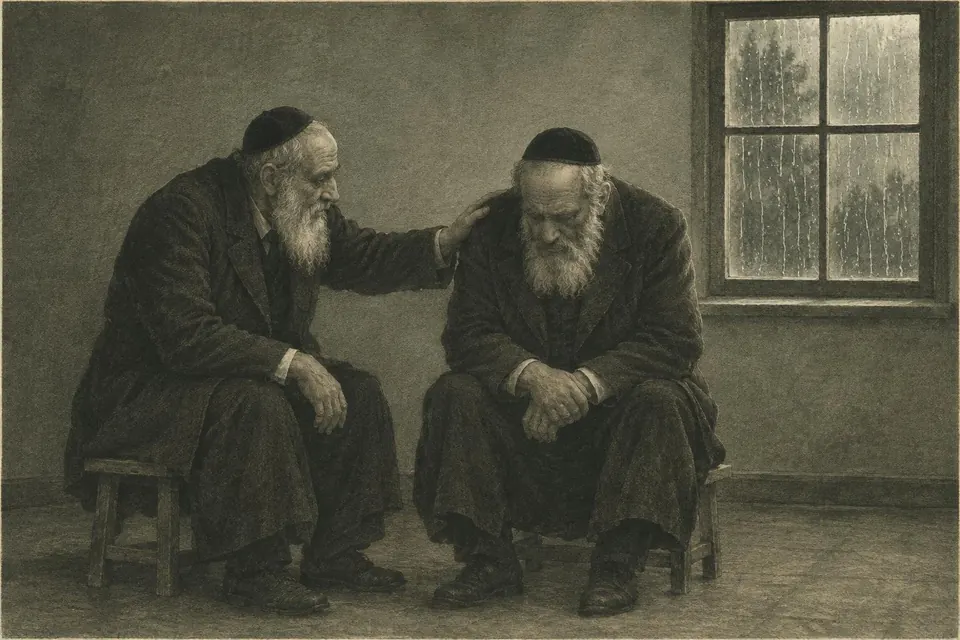
Chukat: The Consolation of Fools
A story of grieving sages opens an exploration of the emotional and rational sides of consolation.
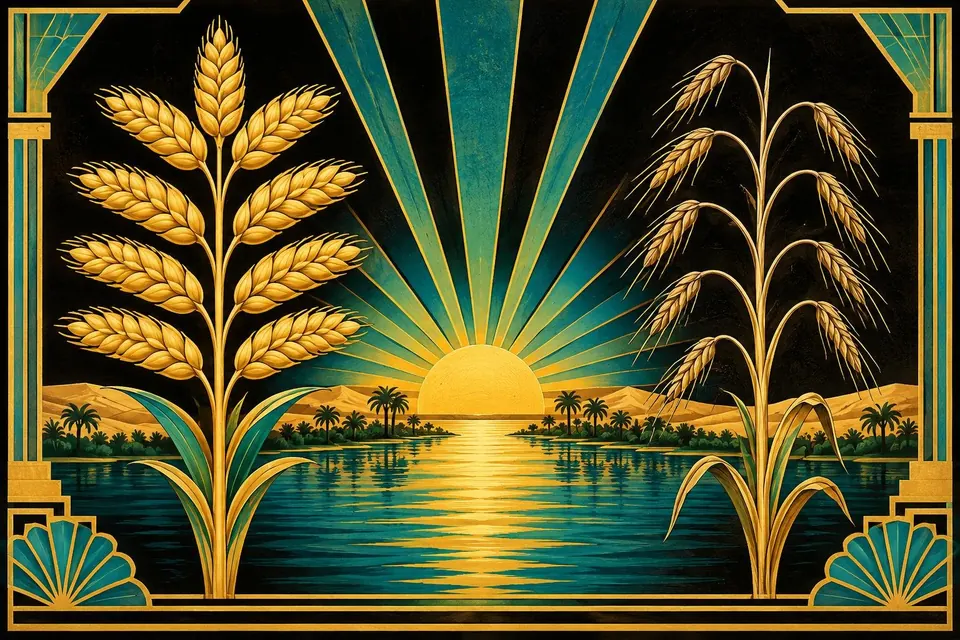
Miketz: The Danger of Perfection
Leah represents the path of repentance, while Rachel embodies inner wholeness and righteousness.

Kiddush Hashem in the Warsaw Ghetto
The Torah commands the Jewish people to sanctify God’s name.

Eikev: Silent Witnesses
Maimonides says that seeing a mezuzah should awaken us to God’s unity.
The portion read on Shabbat, November 28, is Parashat Vayishlach.
| Shabbat | Portion | Pieces |
|---|---|---|
| Nov 28 | Vayishlach | 7 |
| Dec 5 | Vayeshev | 3 |
| Dec 12 | Miketz | 5 |
| Dec 19 | Vayigash | 1 |
| Dec 26 | Vayechi | 5 |
| Jan 2 | Shemot | 3 |
The order of readings is for communities outside Israel.
By portion
More to read
Shabbat Shirah: Lessons From Beshalach
Shabbat Beshalach is called Shabbat Shirah because the Song at the Sea is read from the Torah.

What Does It Mean to Be Created in God’s Image?
Being created in God’s image does not mean that God has a body or resembles a human being.

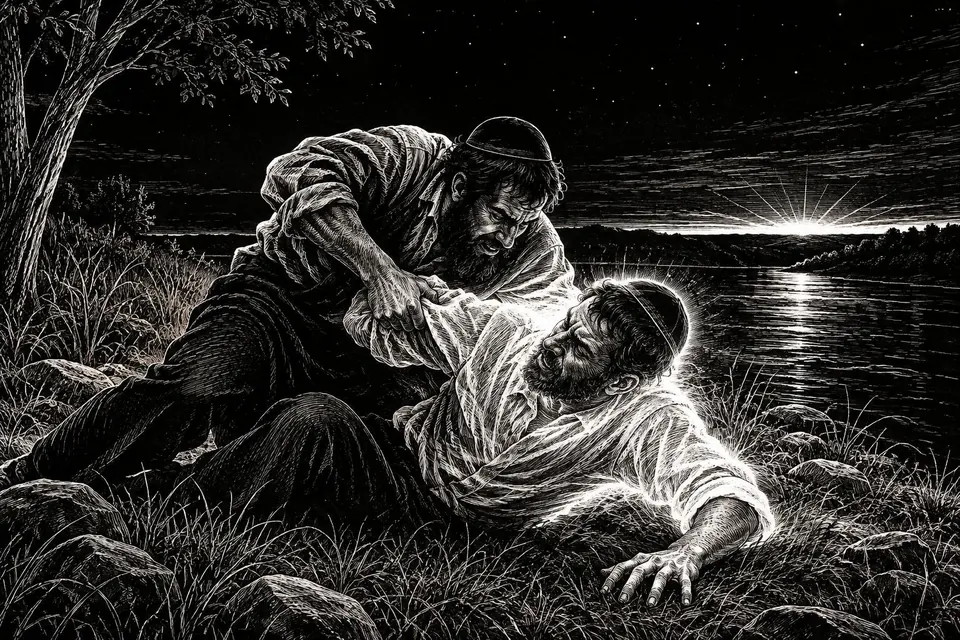
Vayishlach: Satan’s Song
An angel struggled with Jacob all night and then said his time had come to sing to the Creator.
Yitro: What Does “And Now” Teach About Repentance?
The giving of the Torah was introduced with the words “and now.”

Vayera: The Fire and the Knife
On Rosh Hashanah, we recall the merit of Abraham's binding of Isaac.

What Is the Meaning of Life in Judaism?
Sarah faced hardship, yet Rashi describes all her years as equally for the good.

Acharei Mot–Kedoshim: The Advice of a True Doctor
A good doctor seeks the patient's well-being and explains why treatment matters.

Vaetchanan: The Jewish Password
The Shema is a prayer that Jews share wherever they live.

Preparing for Passover Without Anger
The Sages compare anger to idolatry.
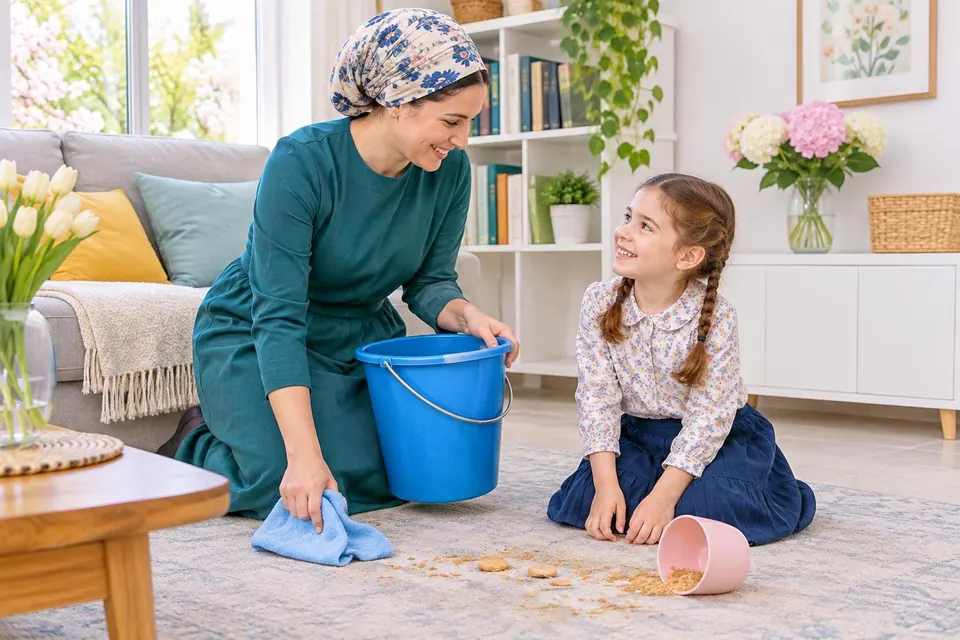
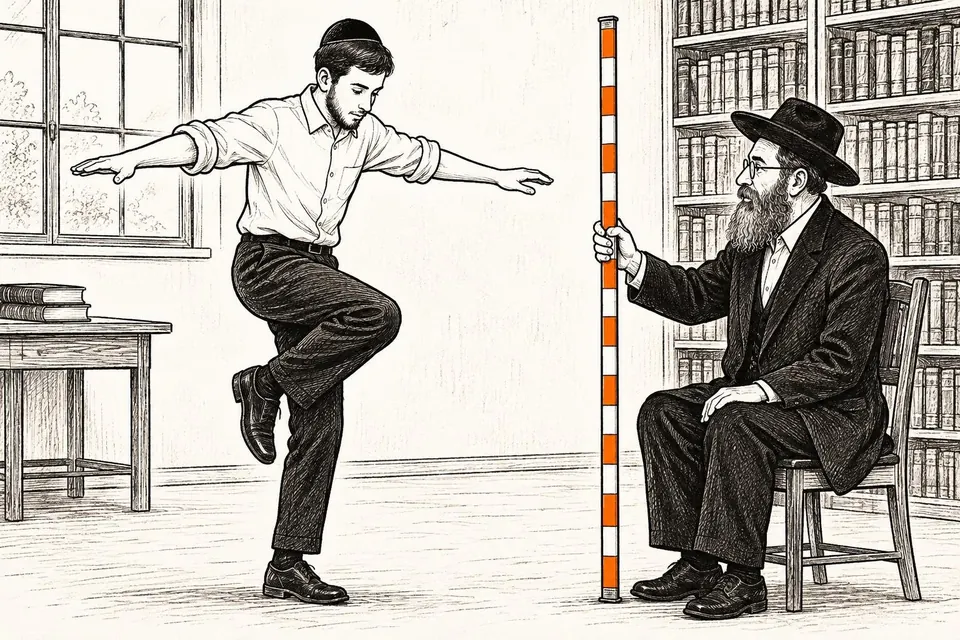
The Whole Torah on One Foot
Hillel taught that the whole Torah rests on not doing to another what you hate.
Aaron's Sin and the Golden Calf
Aaron tried to delay the making of the golden calf, yet the Torah holds him responsible.
Abraham’s Greatest Test: The Power of Silence
Abraham could have questioned God’s command to offer Isaac, but he remained silent.
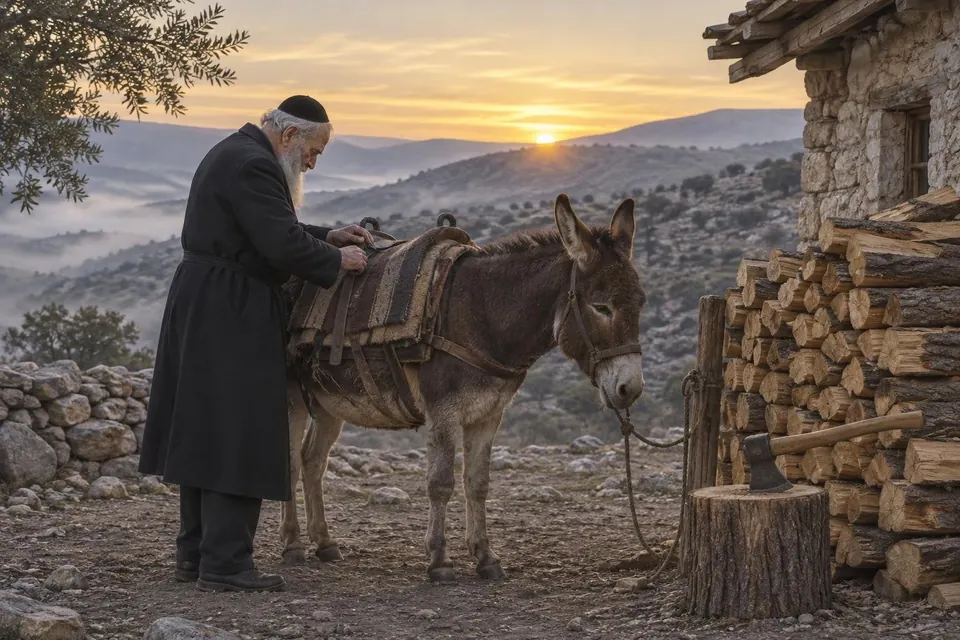
Balaam and Rabbi Yose ben Kisma: A Lesson About Greed
Balaam and Rabbi Yose ben Kisma both spoke of refusing great wealth.

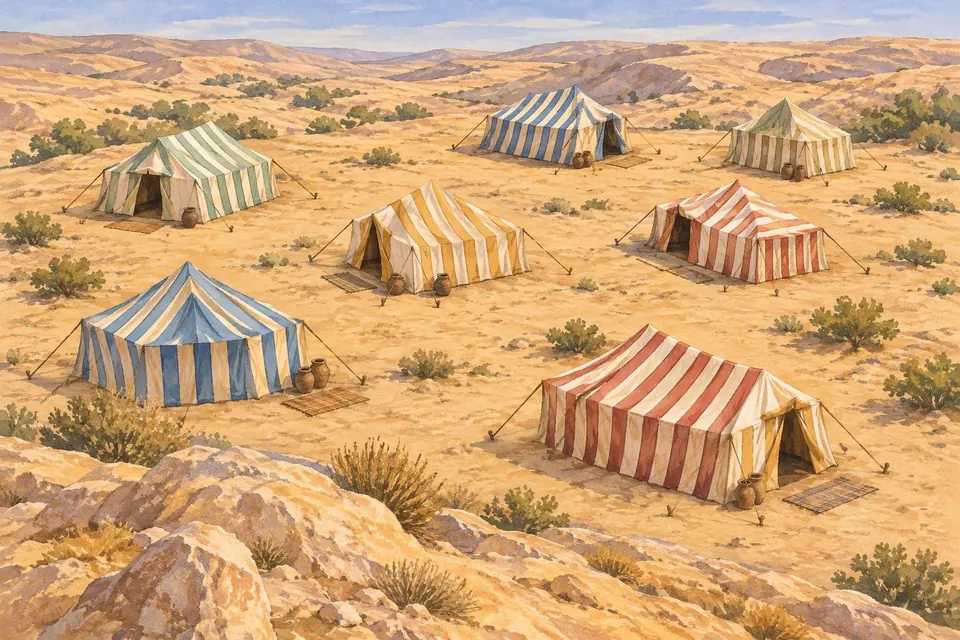
Balak: Envy and Keeping Up With the Neighbors
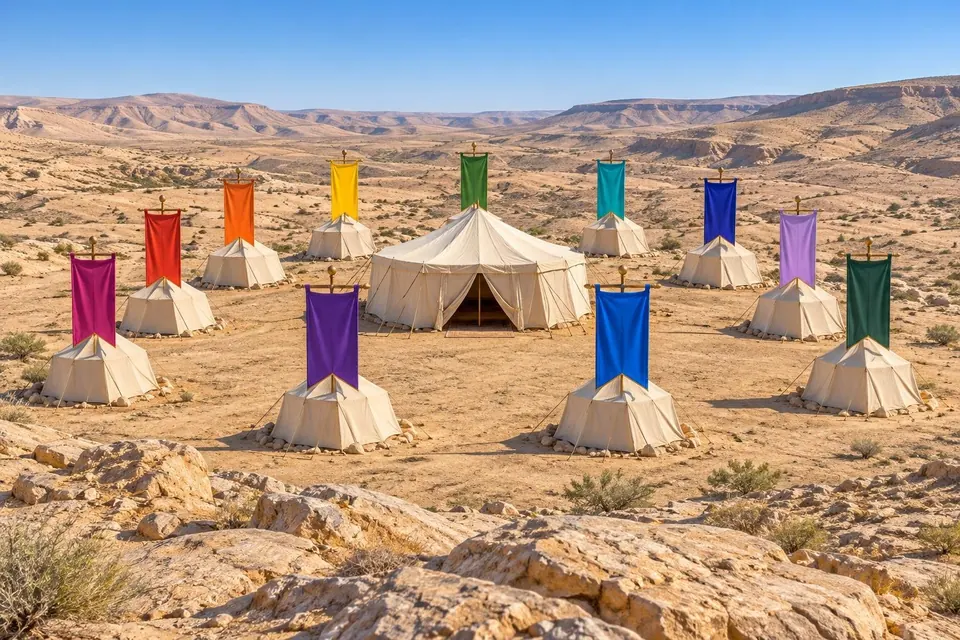
Balaam saw that the entrances to the Israelites’ tents did not face one another.
Bechukotai: Feeling Stuck in Torah Study?
A yeshiva student felt stuck and considered leaving.

Behaalotecha: How Can a Person Truly Live?
The elders of the Negev gave Alexander the Great unexpected answers about wisdom, strength, wealth, and life.
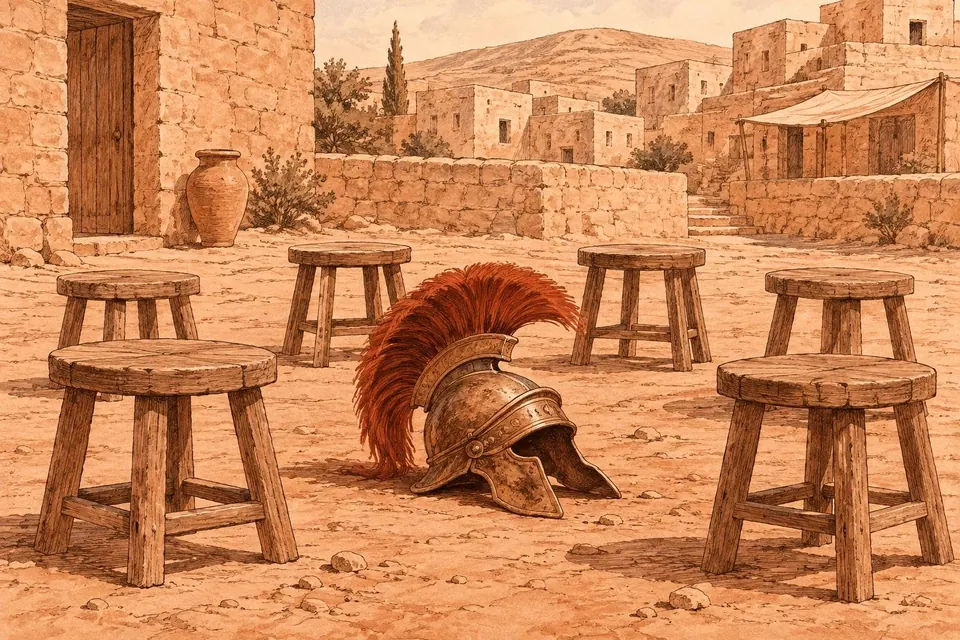
Behaalotecha: The Power of Desire
Rabbi Tzadok of Lublin writes that human desire has great power, though divine justice places limits on it.
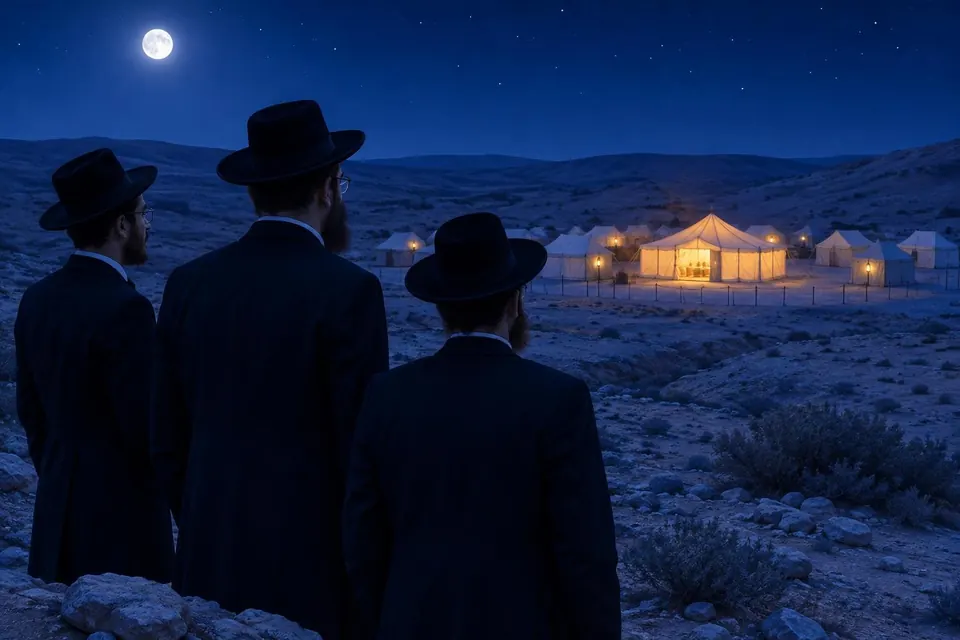
Behaalotecha: What Is Hidden Shines
What is hidden can shine more brightly than what is done in public.

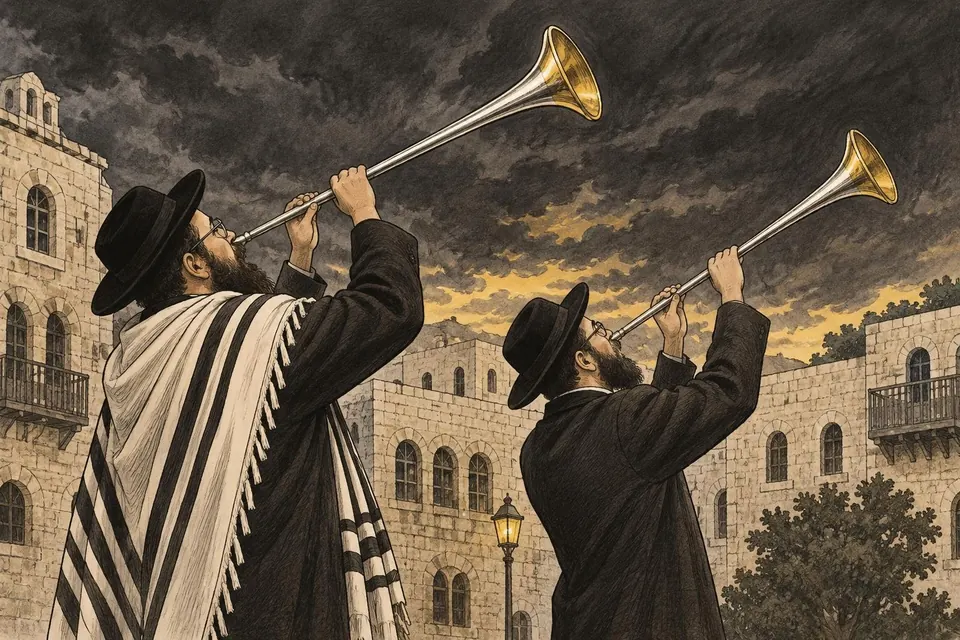
Behaalotecha: What Makes a Response to Tragedy Cruel?
The Torah commands the community to cry out to the Creator and sound trumpets in times of trouble.
Behar: Celery for All of Europe
Efi decided to observe Shemitah after hearing Rabbi Elyashiv’s assurance that God would support him.

Behar: Do Not Hurt One Another
The Torah forbids causing another person pain through words or actions.
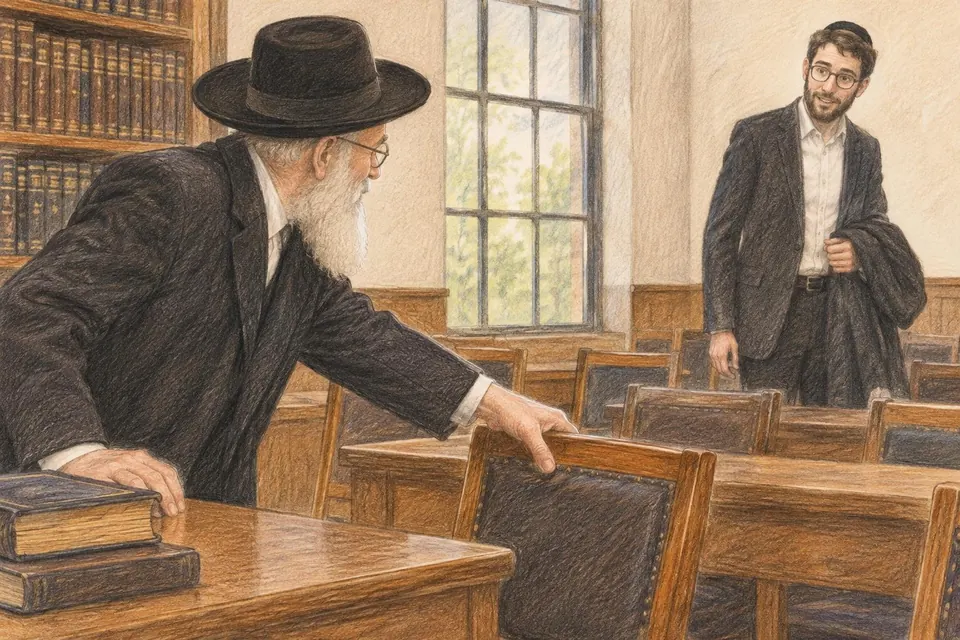
Bereishit: Why Does Science Seem to Contradict Faith?
The Sages associate the darkness in Genesis with Greece.

Bo: God Is With Me, Even in Dark Places
God reassured Moses that He would accompany him into Pharaoh's palace.

Bo: The Reward for Matzah in Auschwitz
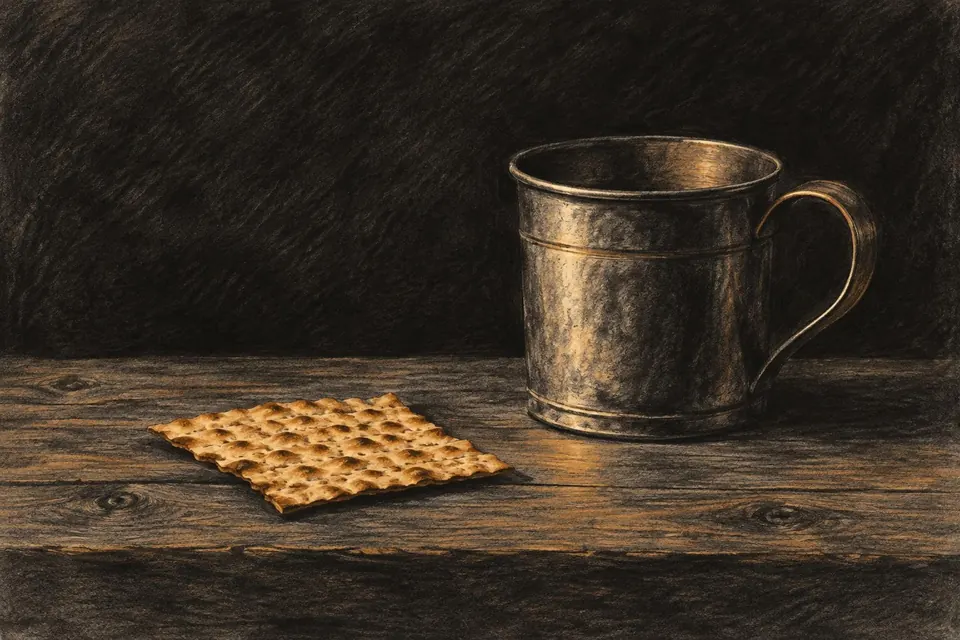
Shimon risked his life to make matzah in Auschwitz and gave it to a friend.
Bo: Why Did God Himself Take Israel Out of Egypt?
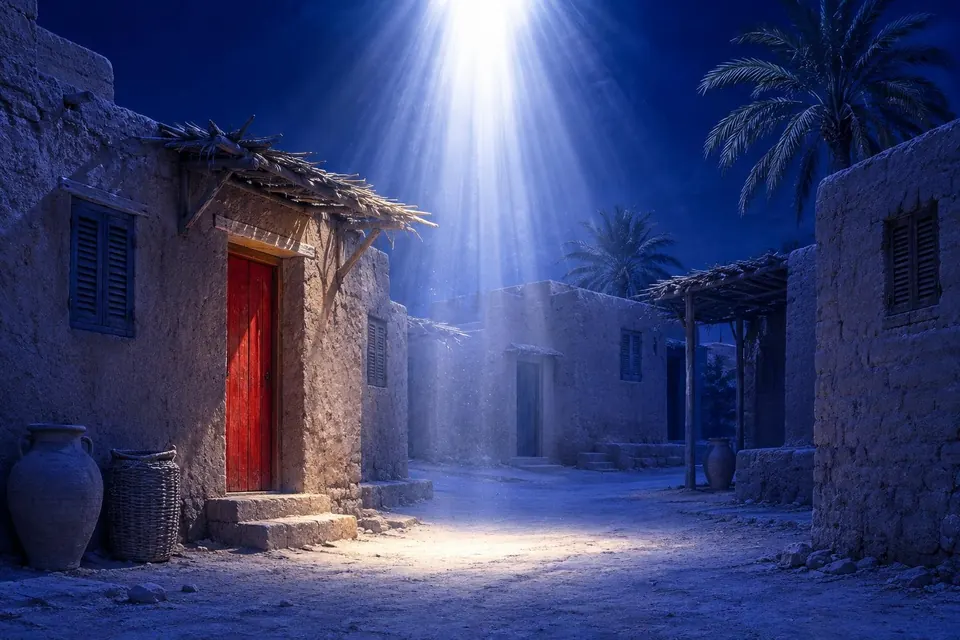
The Haggadah says that God Himself, not an angel, brought Israel out of Egypt.
Chayei Sarah: Headphones and an Accordion
The Sages teach that Abraham, Isaac, and Jacob experienced a life like the World to Come.

Chayei Sarah: Knowing How to Give
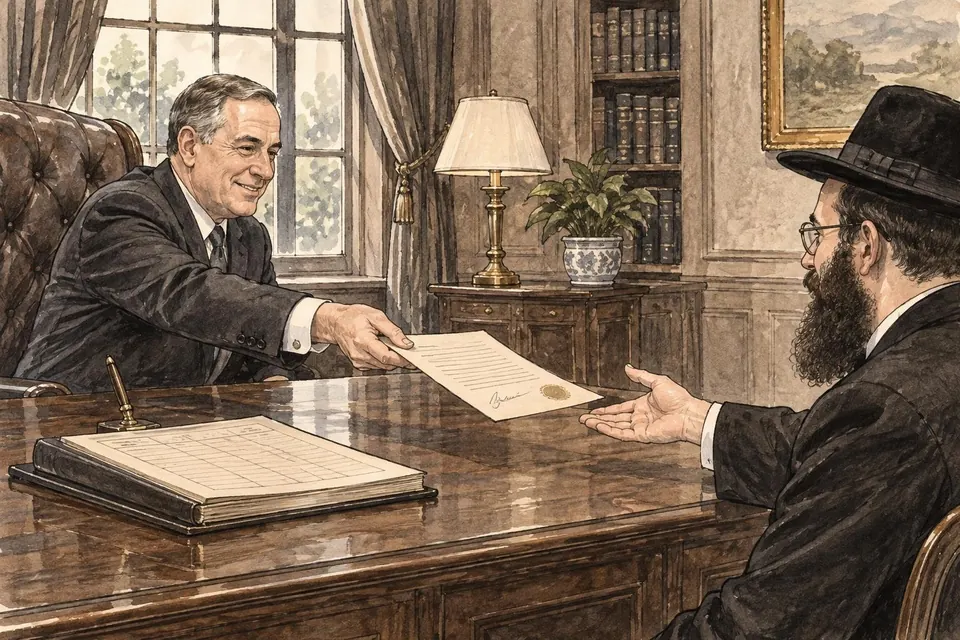
Ephron offered Abraham a field for free but also named a price.
Chukat: Appreciate Your Loved Ones
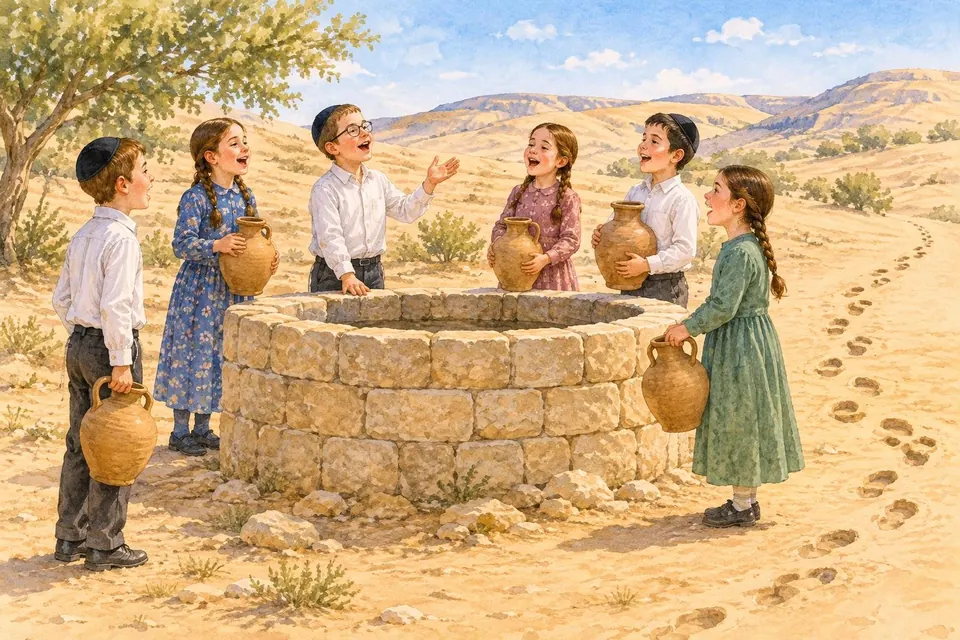
The Israelites sang about the well near the end of their journey through the wilderness.
Chukat: Love People and Bring Them Closer to Torah
All of Israel mourned Aaron, who was known for making peace and welcoming everyone.
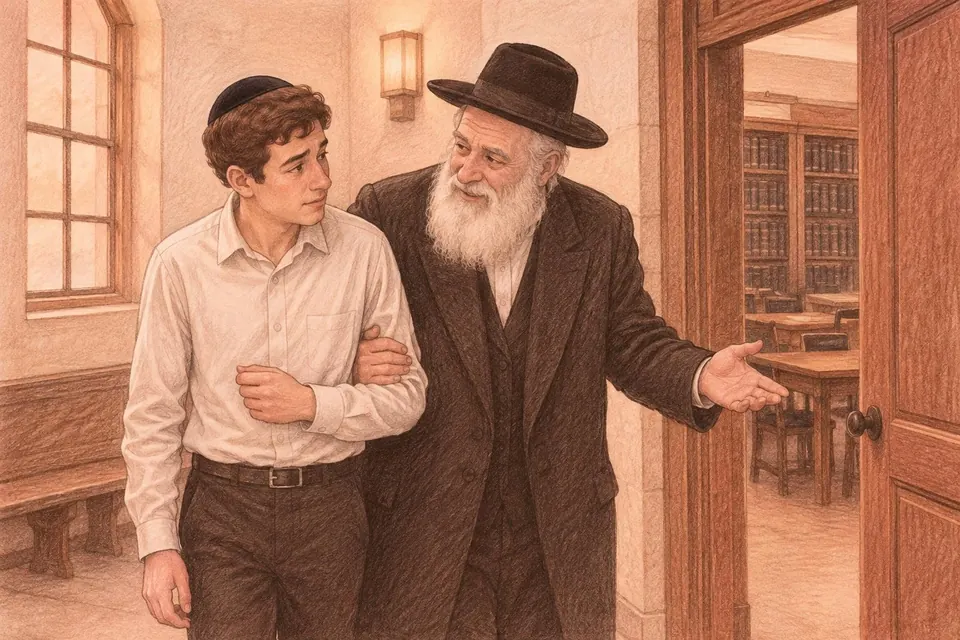
Chukat: Transition Periods in Life
Rabbi Simcha Zissel Broide asks why the Israelites tested God at the beginning and end of their desert journey.

Devarim: Knowing When to Say No
God allowed the Israelites to send spies, even though He knew the mission would lead to disaster.
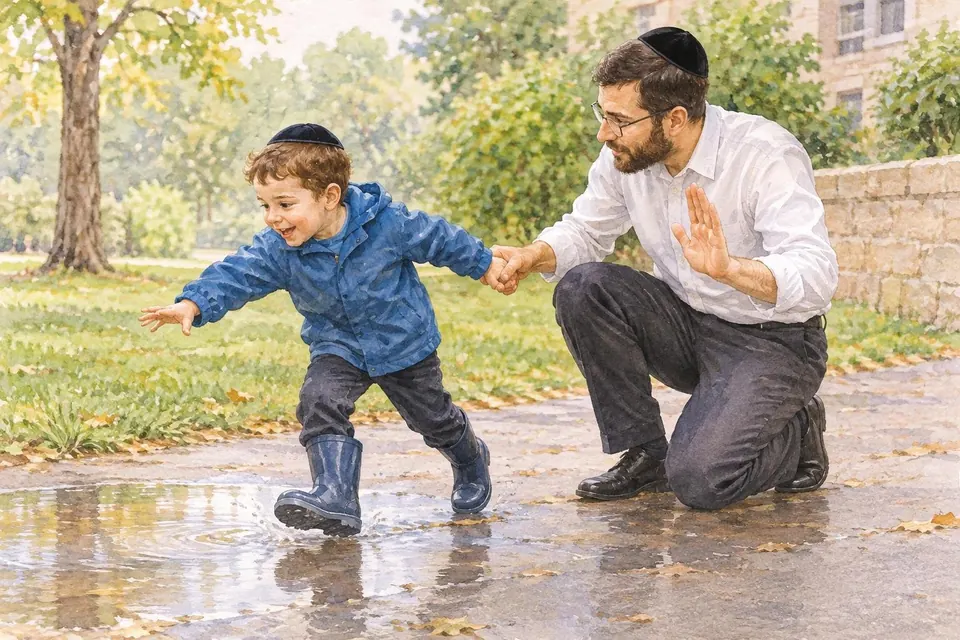
Devarim: Why Fear Spreads Like a Contagious Disease
The spies' report filled the Israelites with fear, and Moses' reassurance did not calm them.

Do We Really Know Who Abraham Was?
A young man in Tel Aviv tells Rabbi Yaakov Galinsky that he is not religious when asked about Abraham.
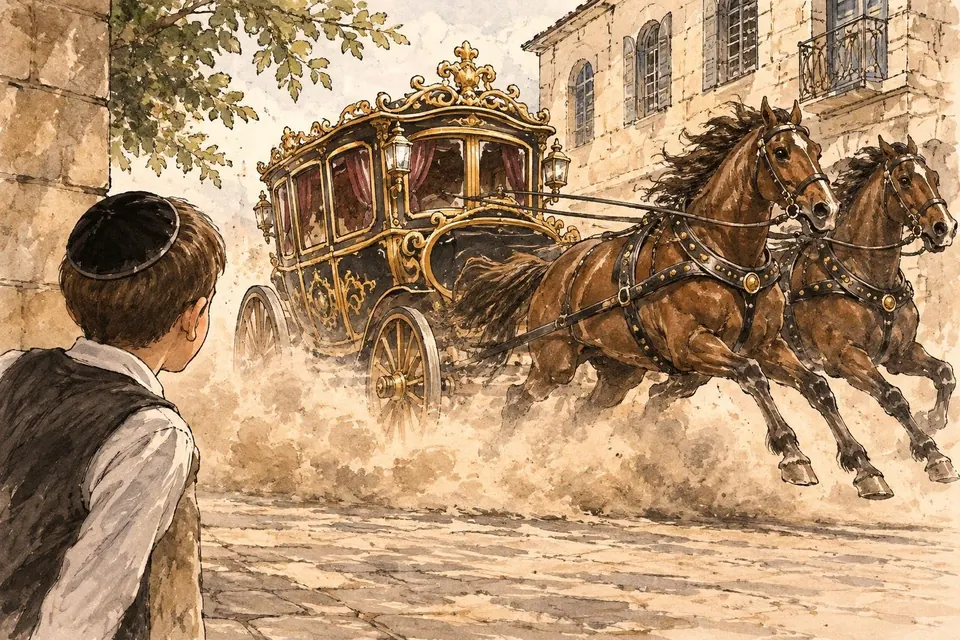
Does Heredity Determine Character?
Abraham did not want Isaac to marry a Canaanite woman or return to Abraham’s homeland.
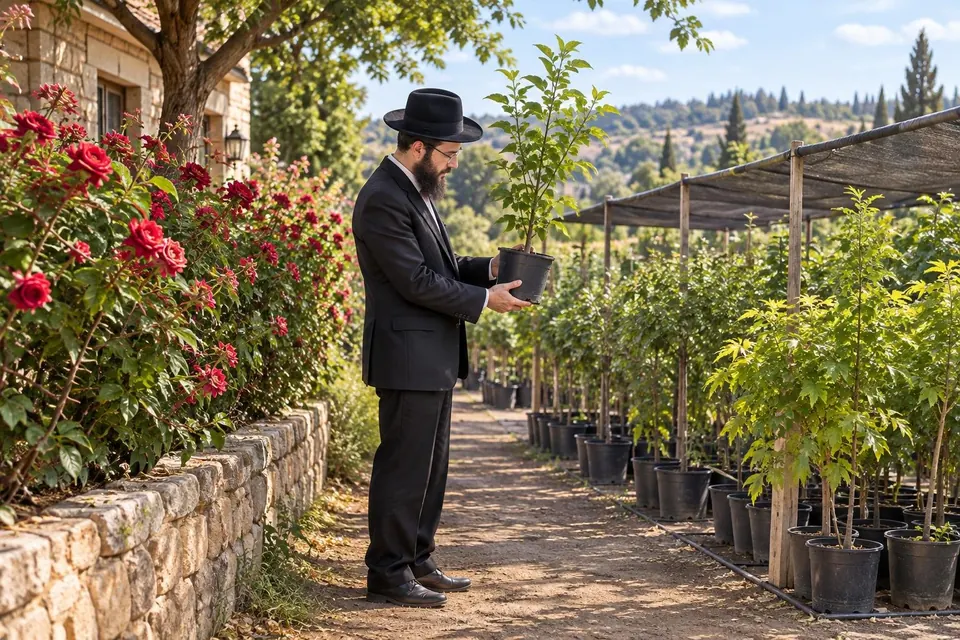
Eikev: A Talmud Tractate in Ten Minutes
A synagogue completed tractate Taanit by studying for ten minutes each Shabbat.
Eikev: Three Ways to Live Every Mitzvah
A rabbi advises Moishe to see each mitzvah as his only one.
Eldad and Medad in Behaalotecha: Leadership as Service
Joshua suggested that Eldad and Medad be given communal responsibilities.
Emor: Are Mitzvot Without Intention Accepted?
A troubled student feared that mitzvot performed without love and awe of God would not reach Heaven.
Free Will and the First Mitzvah
The first mitzvah given to Israel was to mark the new month.

Haamek Davar: Introduction to Genesis
The Talmud identifies Genesis as the Book of the Upright, named for Abraham, Isaac, and Jacob.
Haazinu: Who Is Wise?
A wise person looks ahead to the consequences of their actions.
How Can We Learn to Enjoy Life More?
Jacob sent his gift to Esau in separate herds so that Esau would appreciate its size.
How Does Love Make Room for Everyone?
Jacob's descendants lived together in Goshen while he was alive.
How Were All of Sarah’s Days Good?
Rashi says that all the years of Sarah’s life were equally good.
Jacob's Ladder: A Window of Opportunity
A Midrash describes Jacob seeing the angels of four kingdoms ascend the ladder.

Ki Tavo: Gratitude and Not Being Ungrateful
Ki Tavo begins with the mitzvah of bringing first fruits to the Temple.
Korach: How to Avoid Arguments
Rabbi Yosef Shlomo Kahaneman was known for his personal charm and his success raising money for yeshivas.
Korach: The Power of Prayer
Moses prayed that God would not accept the prayers of Korach and his followers.
Korach: Who Wins an Argument?
The Torah portion of Korach centers on disputes and disagreements.
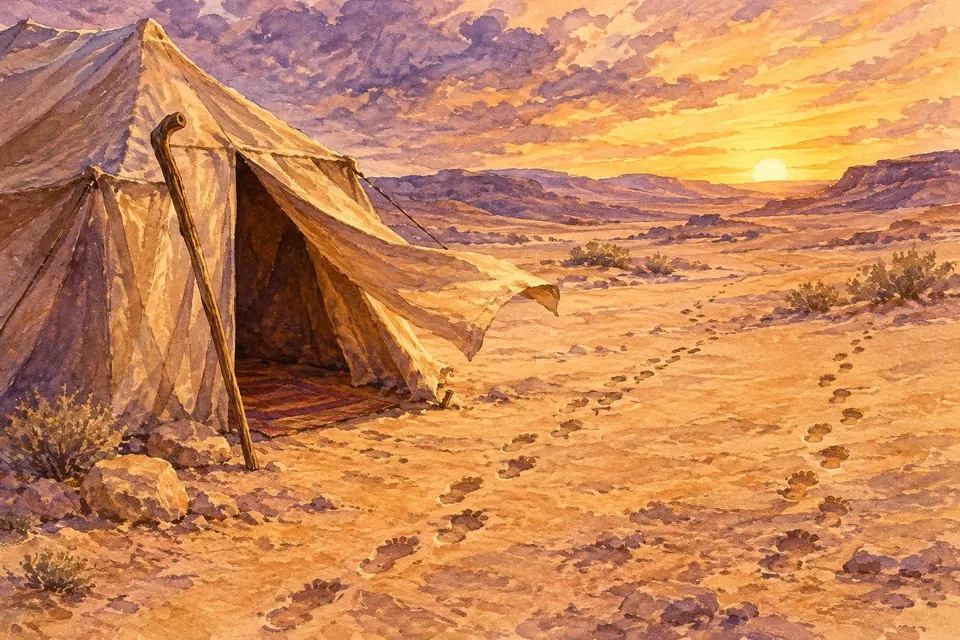
Lech Lecha: Abraham’s Lessons for Our Generation
Abraham’s journey teaches that growth requires the willingness to leave familiar habits behind.
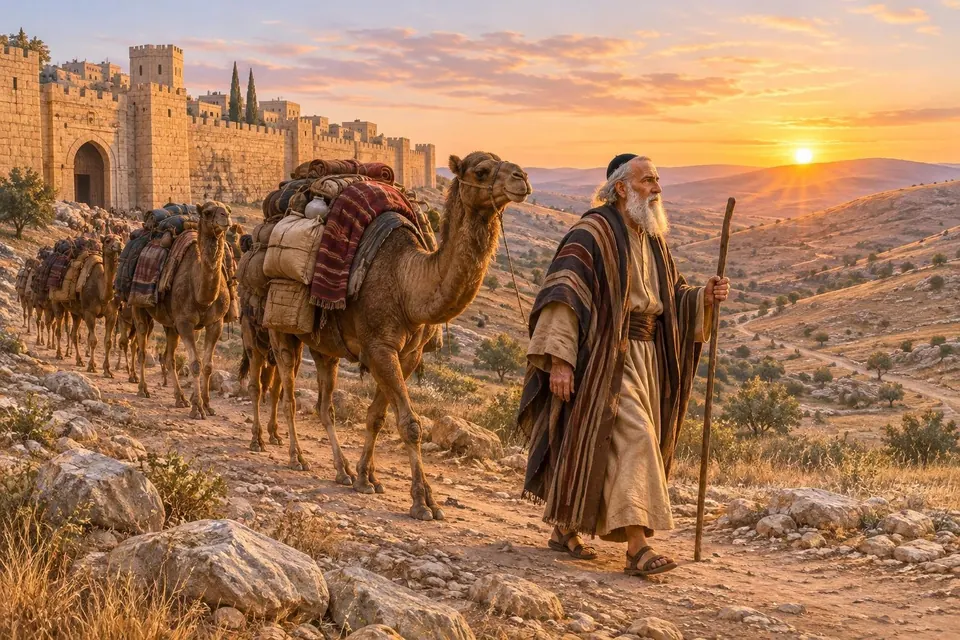
Matot-Masei: Sacrificed for Honor
The Chatam Sofer connects the laws of vows addressed to tribal leaders with the story of Jephthah and Phinehas.
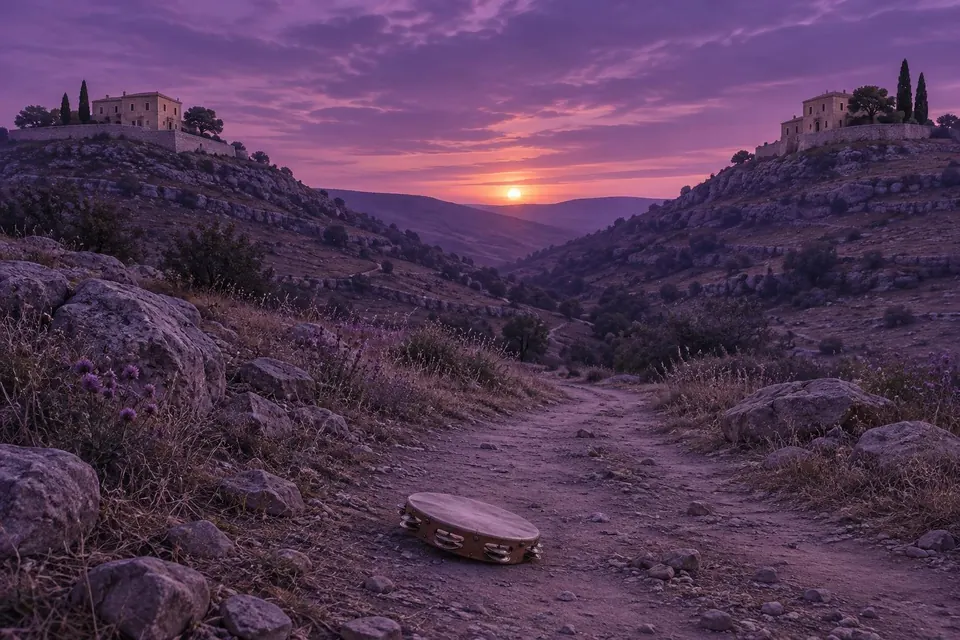
Matot: How Can I Break the Habit of Lying?
The Torah requires a person to fulfill a vow or oath.

Matot: How Can You Be Happy?
The Israelites recognized how much Moses meant to them when they learned he would soon die.
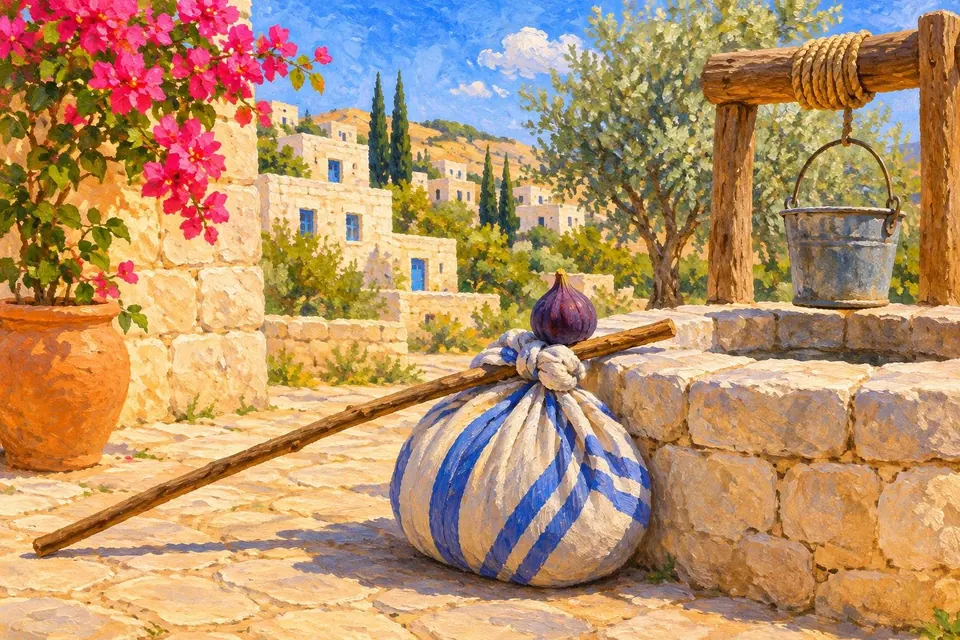
Metzora: The Hundred-Millionth Prayer
The Zohar describes prayers said without concentration as being kept in a heavenly storehouse.

Miketz: Is There Coincidence in Judaism?
Jacob’s words about Benjamin reflect his belief that nothing happens by chance.
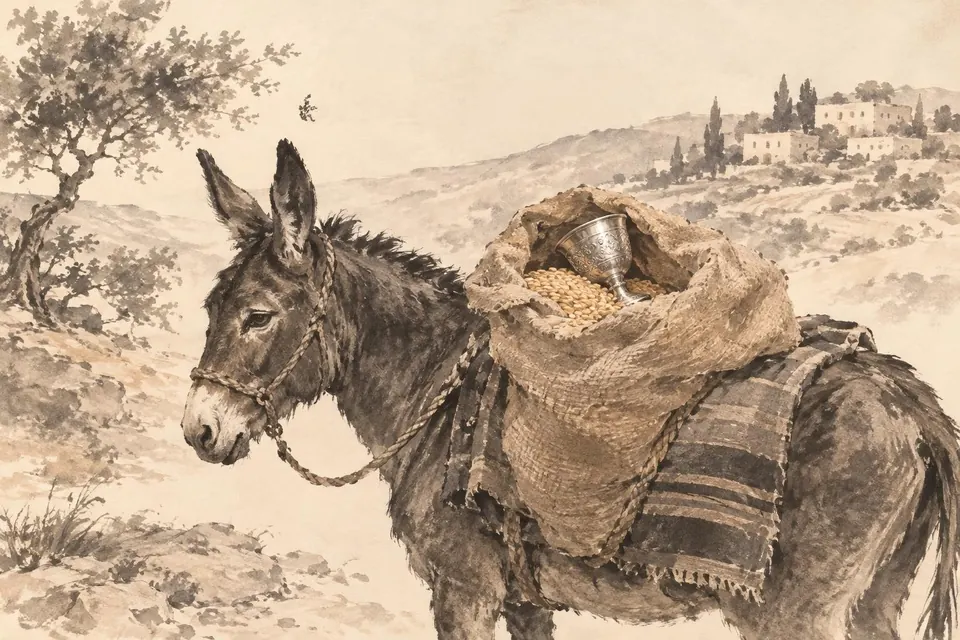
Miketz: Seeing God’s Hand in Hindsight
An acquaintance from the Chatam Sofer’s youth later saved his life.
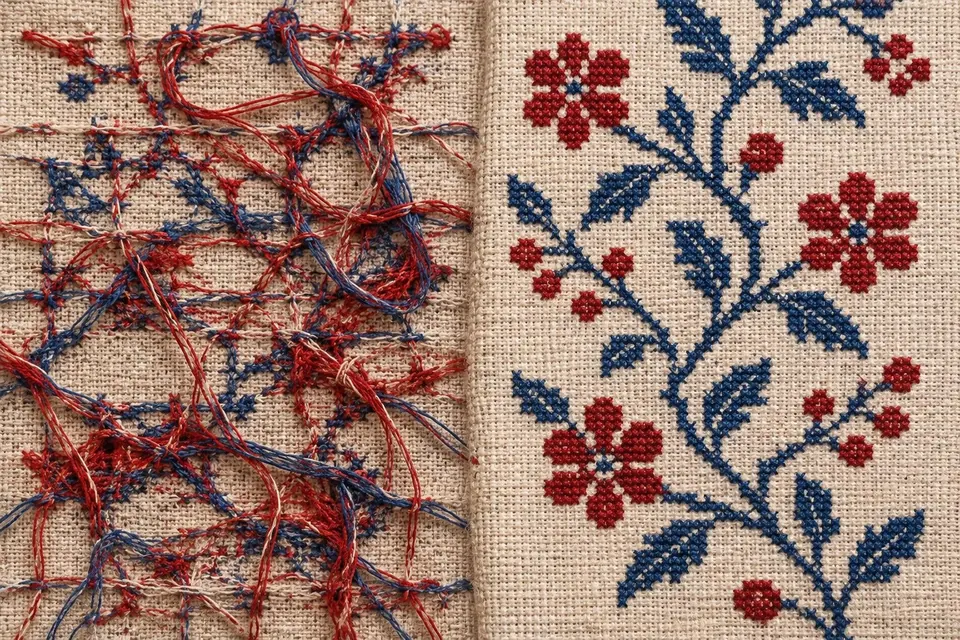
Miketz: There Is an End to Suffering
The Midrash teaches that God set limits on creation and on Joseph's imprisonment.

Mishpatim: How to Pray Like an Orphan
The Torah’s words about the cries of orphans and widows teach a profound principle of prayer.
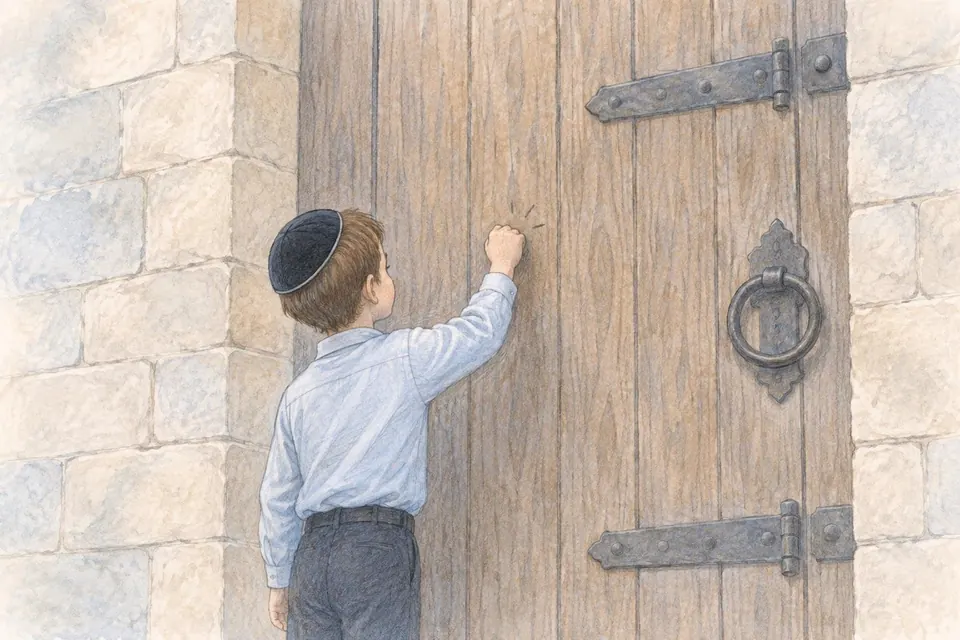
Mishpatim: The Power of Communal Prayer
Rabbi Yaakov Galinsky taught about communal prayer during a visit to Mexico.
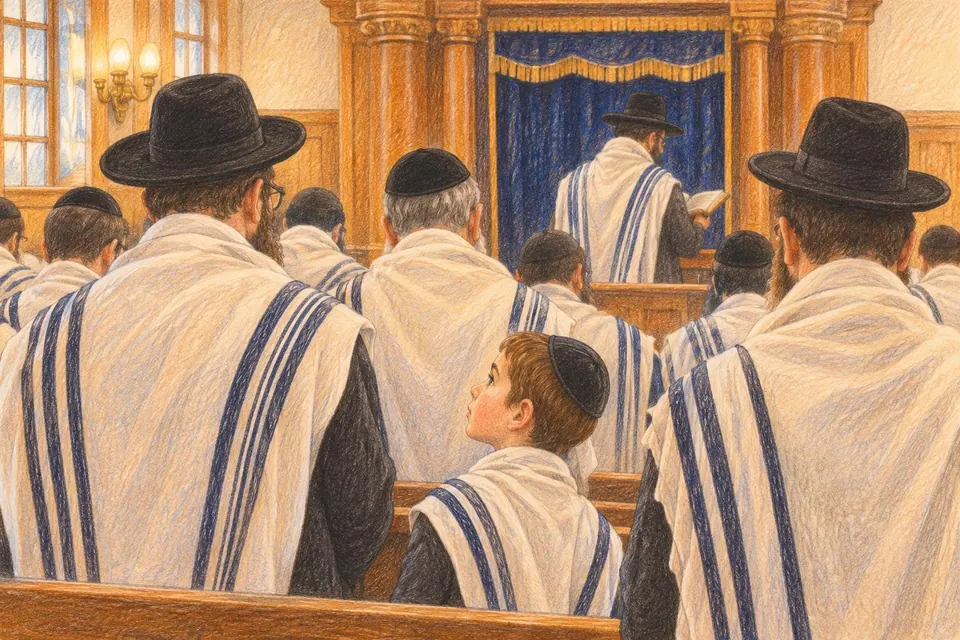
Mishpatim: Why Keep Mitzvot as God’s Command?
The laws governing relationships between people were given at Sinai, just like those between people and God.

Moses’ Spies and Joshua’s Spies: What Made the Difference?
Moses’ spies witnessed miracles but gave a negative report about the land.
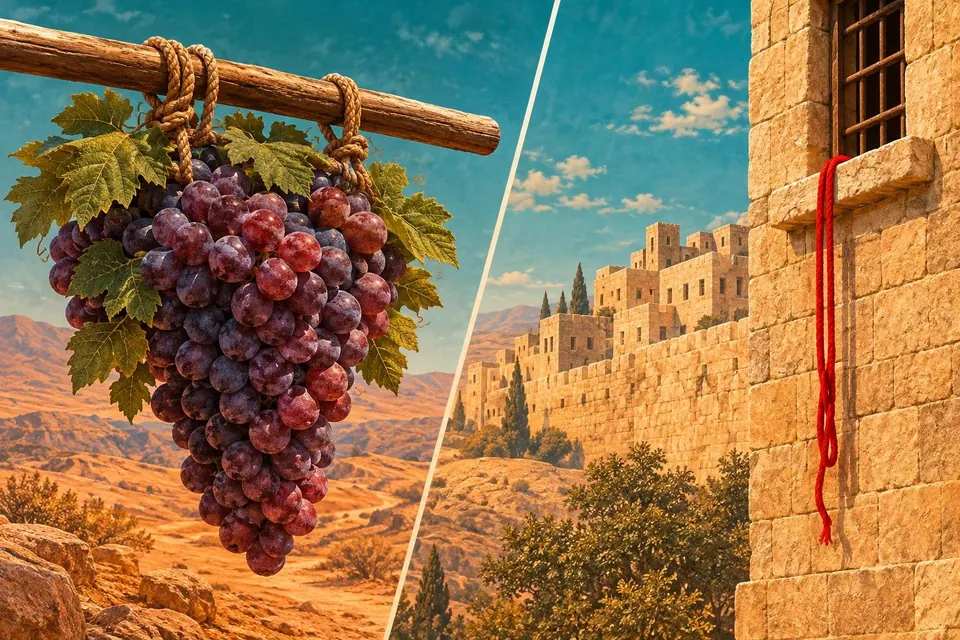
Naso: Why Does the Priestly Blessing Need a Purpose?
The Chatam Sofer sees every worldly benefit included in the Priestly Blessing.

Pinchas: Going Against the Crowd
The daughters of Zelophehad asked Moses about their father's inheritance.
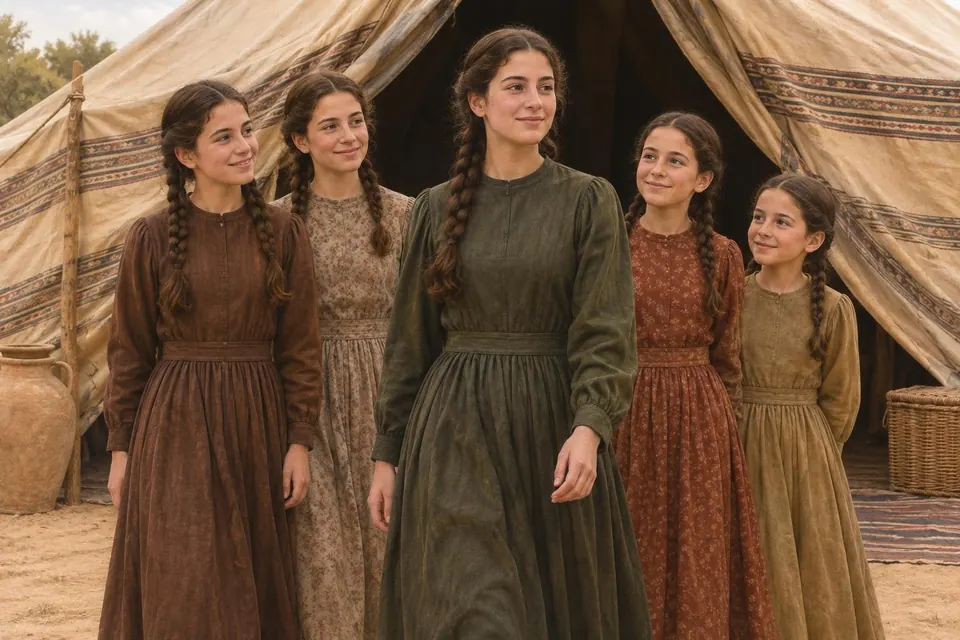
Pinchas: Israel as God's Spouse
Moses and Aaron helped save Israel after earlier sins in the wilderness.

Pinchas: The Trap of Routine
The daily offering was brought every day, even on Shabbat and Yom Kippur.

Pinchas: Why Do People Think Differently?
Moses asked God to appoint a leader who could understand each person.

Seven Hebrew Words for Poverty
The Aruch lists seven Hebrew terms for poverty.
Shelach: The Danger of Forgetting God’s Love
The Israelites believed that God had brought them out of Egypt because He hated them.

Shelach: True Greatness Is Not Arrogance
The spies saw themselves as grasshoppers and believed the Canaanites saw them that way, too.

Shemini: How Can We Keep Mitzvot Fresh?
Aaron brought the people’s offering with the same enthusiasm as his first offering.
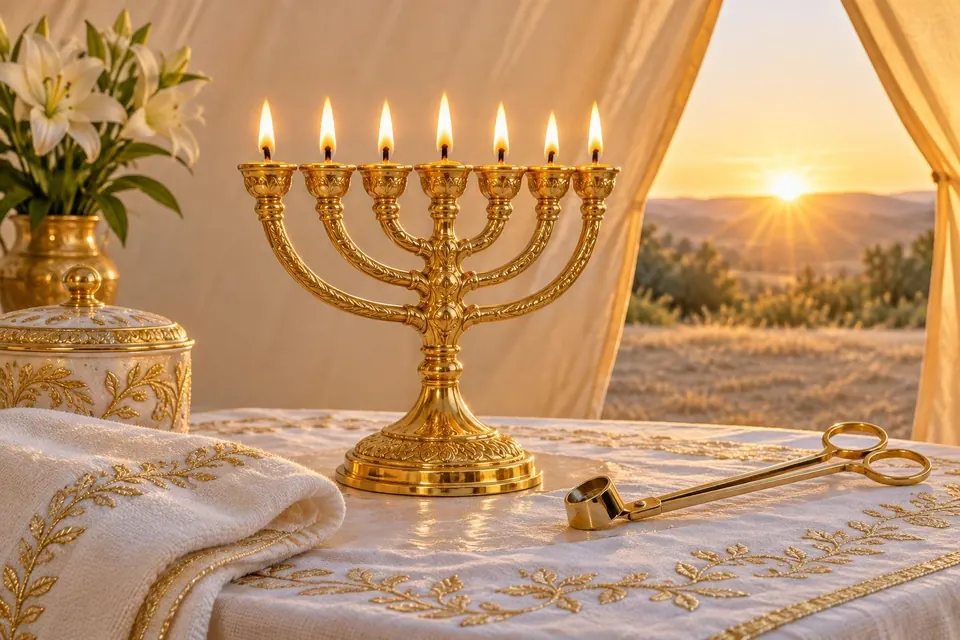
Shemini: When to Speak and When to Be Silent
Rabbi Shach asked what was happening in a yeshiva divided by conflict.

Shemot: Sharing Another Person’s Pain and Joy
Moses opened his eyes and heart to the suffering of his fellow Jews in Egypt.
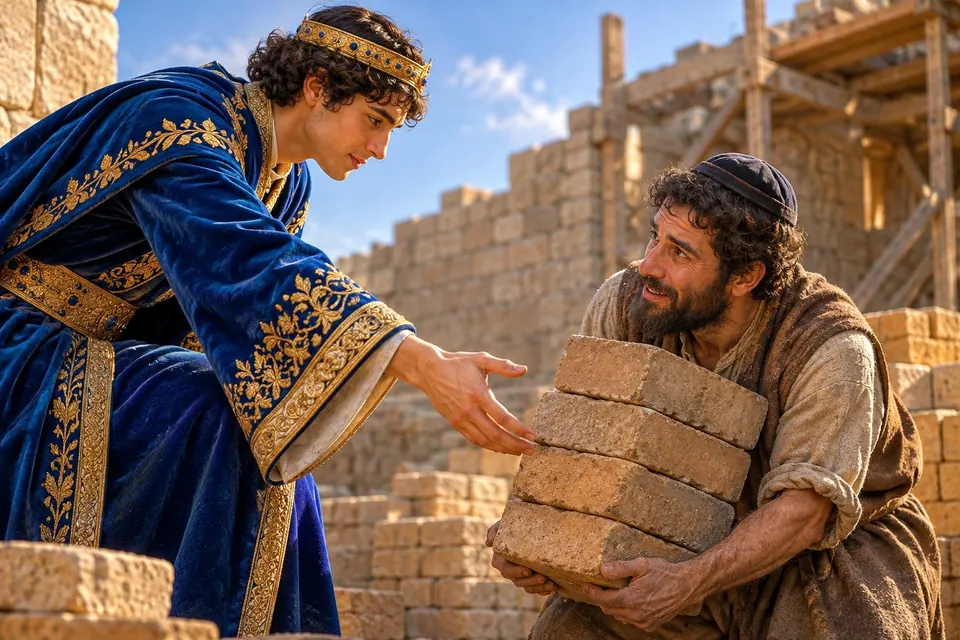
Shoftim: The Art of Saying No
The Torah forbids the divination and magic practiced by other nations.

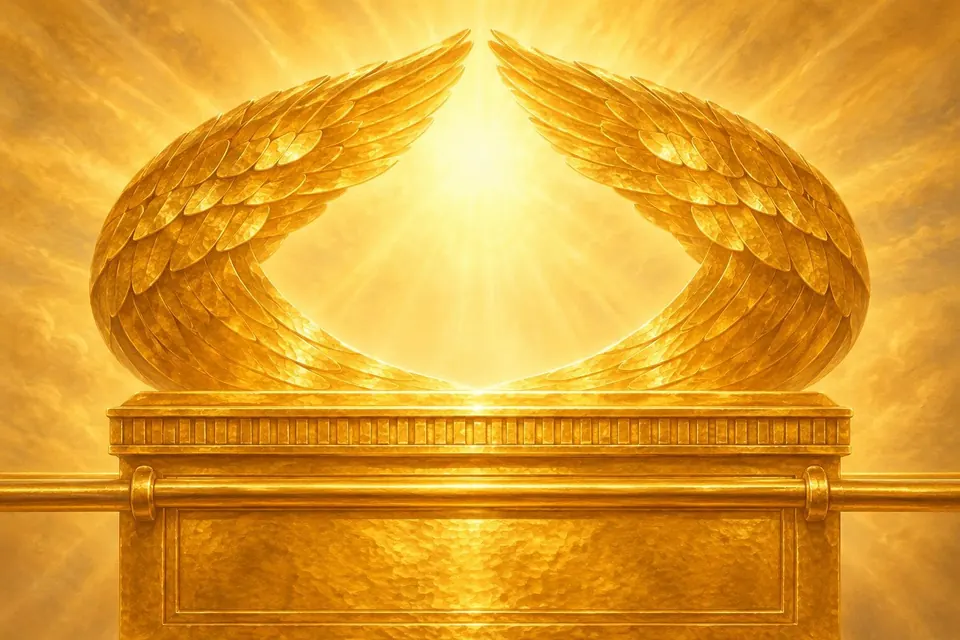
Terumah: Living Face to Face With God
The cherubim faced each other when Israel fulfilled God’s will.
Tetzaveh: How Can We Rejoice in Someone Else’s Success?
Moses feared that accepting his mission would hurt Aaron, but God assured him that Aaron would rejoice.
Tetzaveh: Why Is the Jewish Table Like an Altar?
The Tabernacle brought God’s presence to the people of Israel.

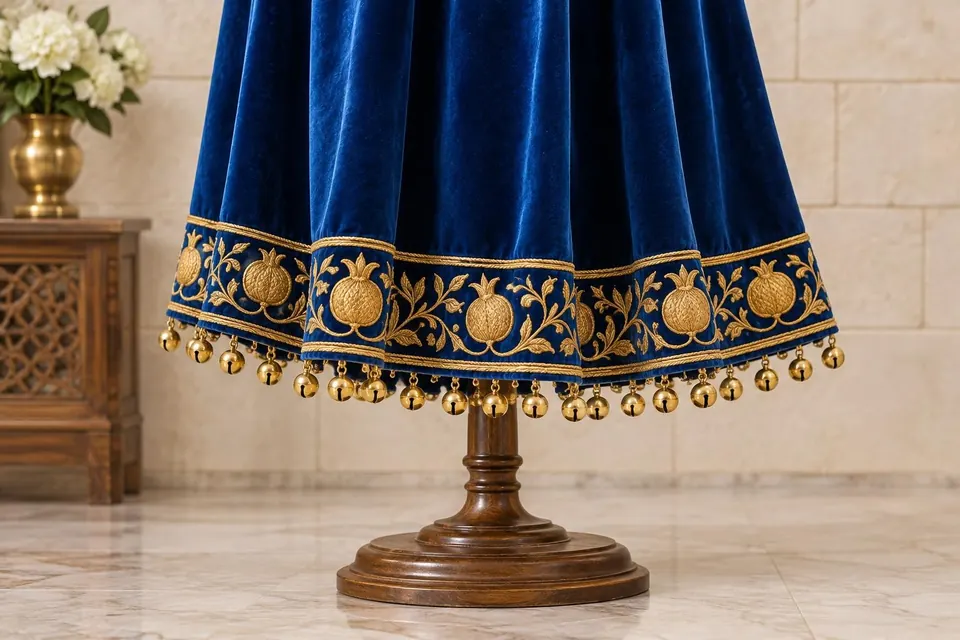
Tetzaveh: “Let Your Garments Always Be Clean”
The priestly robe is a reminder that a Torah scholar must cultivate lasting good character.
The Promise
Rashi teaches that every beginning is difficult, but service becomes pleasant for those who accept it.

The Right Perspective
Bamidbar is read before Shavuot to separate the curses in Bechukotai from the festival.
The Value of Every Mitzvah
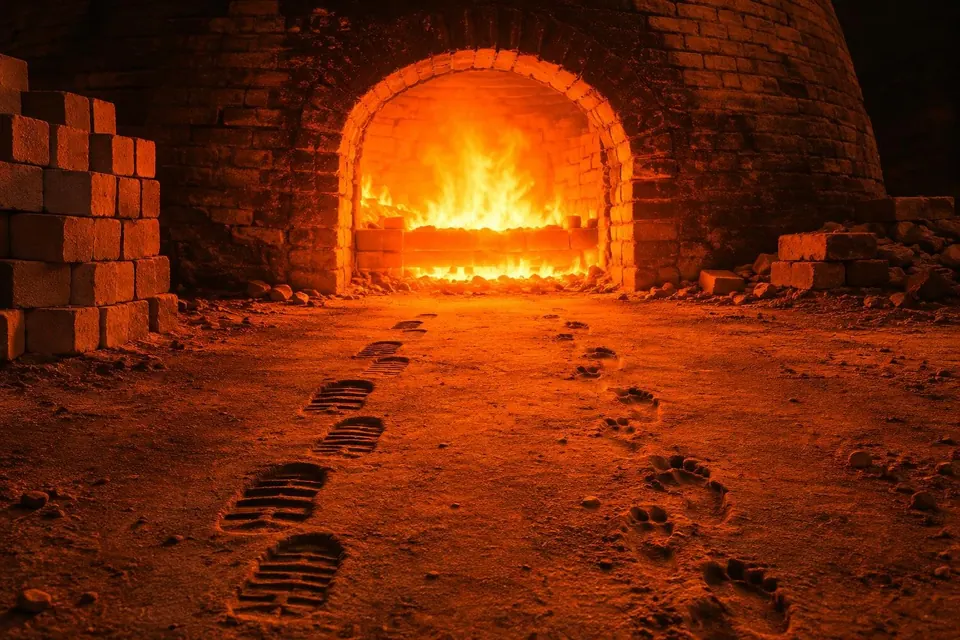
Haran entered the fire for God's name, though his intentions were not as pure as Abraham's.
Toldot: Finding Holiness in Eating
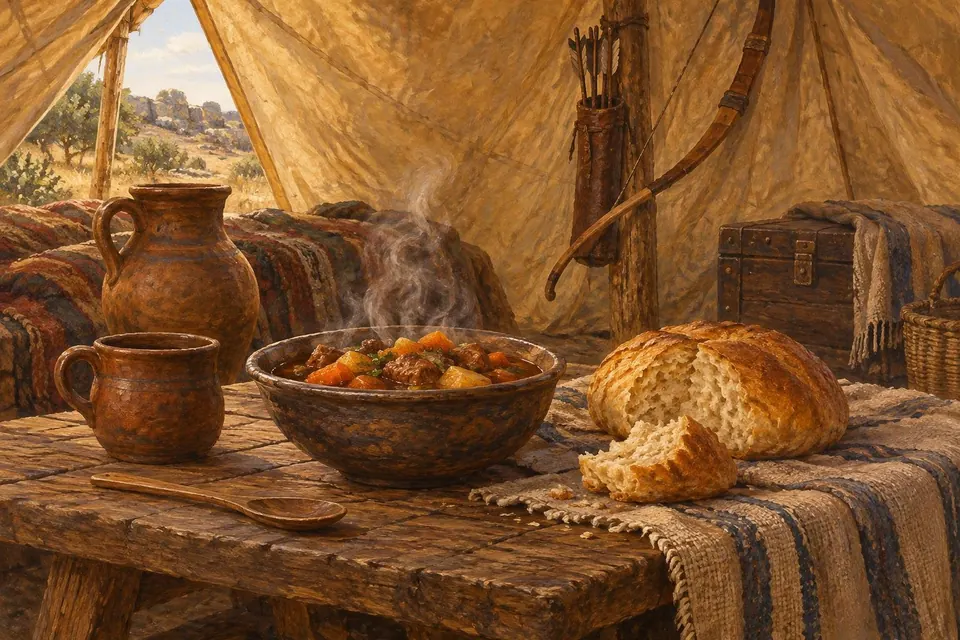
Isaac asked for food before giving his blessing, finding closeness to God through the life-giving power of eating.
Vaera: Guarding the Purity of Speech
The Israelites preserved the purity of their language in Egypt.
Vaera: How Anger Leads to Trouble
Rashi describes how the Egyptians struck a frog, only to bring forth many more.
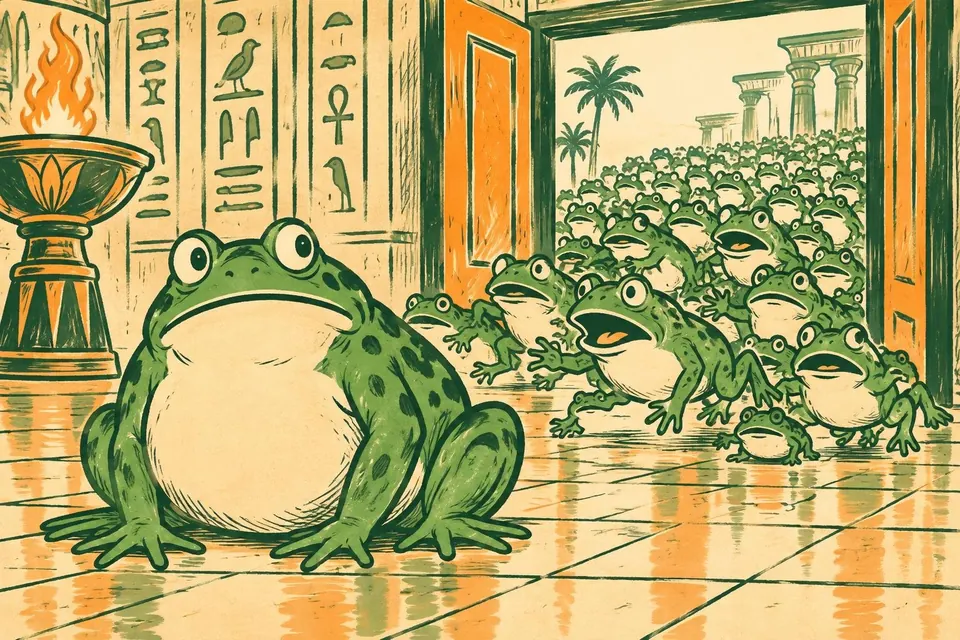
Vaera: The Soccer Player and the Magician
A soccer player sees a vision of his own death, 60 years in the future.

Vaetchanan: Historical Evidence for Revelation at Sinai
Maimonides says the Israelites believed in Moses because they witnessed the revelation at Sinai.
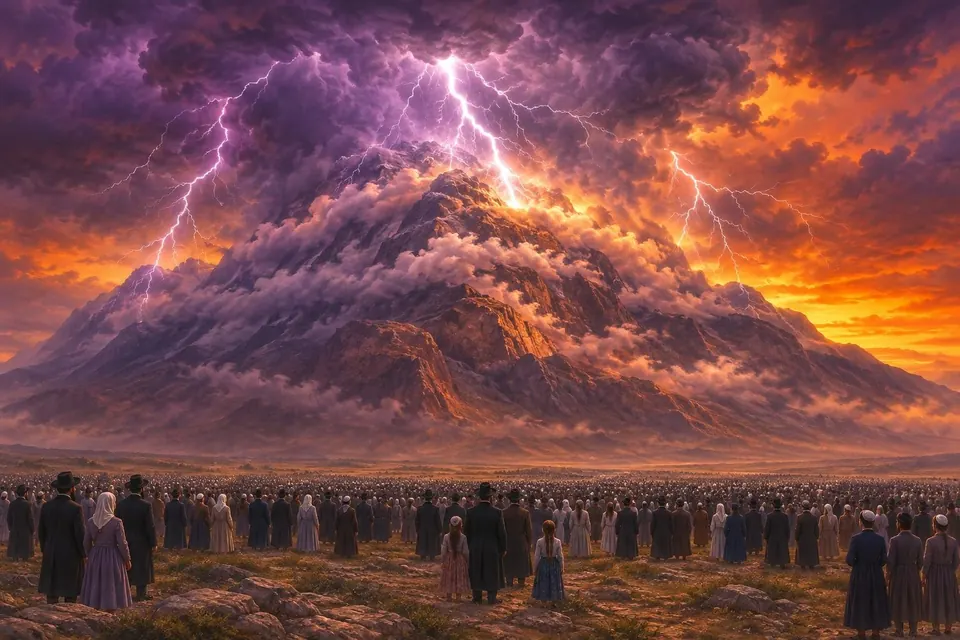
Vaetchanan: Is Anger a Form of Idol Worship?
The Sages prayed and fasted to remove the powerful desire for idolatry.
Vaetchanan: The Treasury of Undeserved Gifts
Moses’ plea teaches us to ask God for an undeserved gift.
Vayakhel: Are We Worthy of Being Kings?
The builders of the Mishkan discovered abilities they had not learned from a teacher.
Vayechi: The News That Matters
Joseph’s sons remained faithful despite growing up in Egypt.
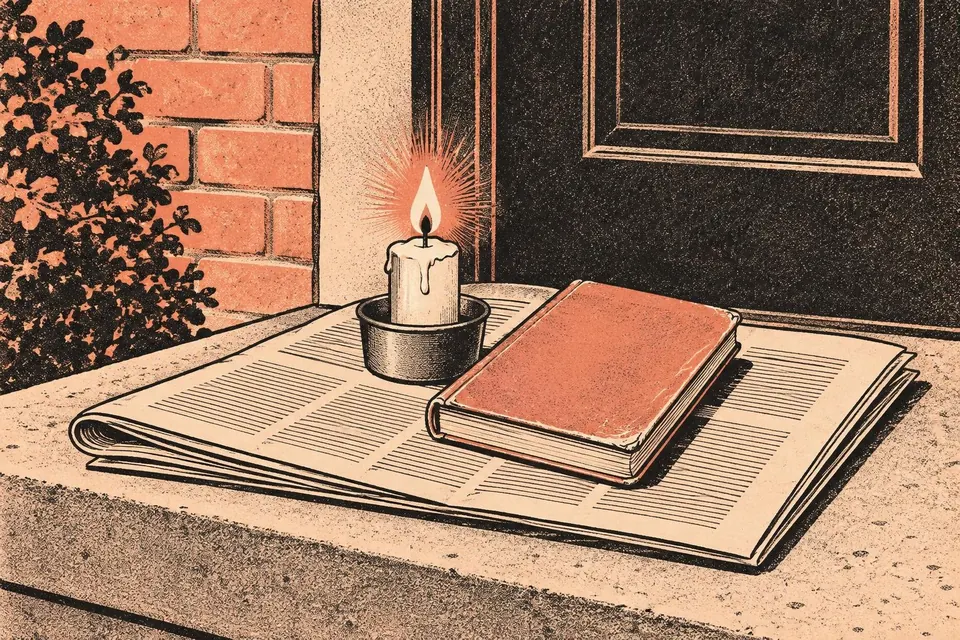
Vayechi: What Did Jacob Mean by His Sword and Bow?
Jacob said he had taken Shechem with his sword and bow.
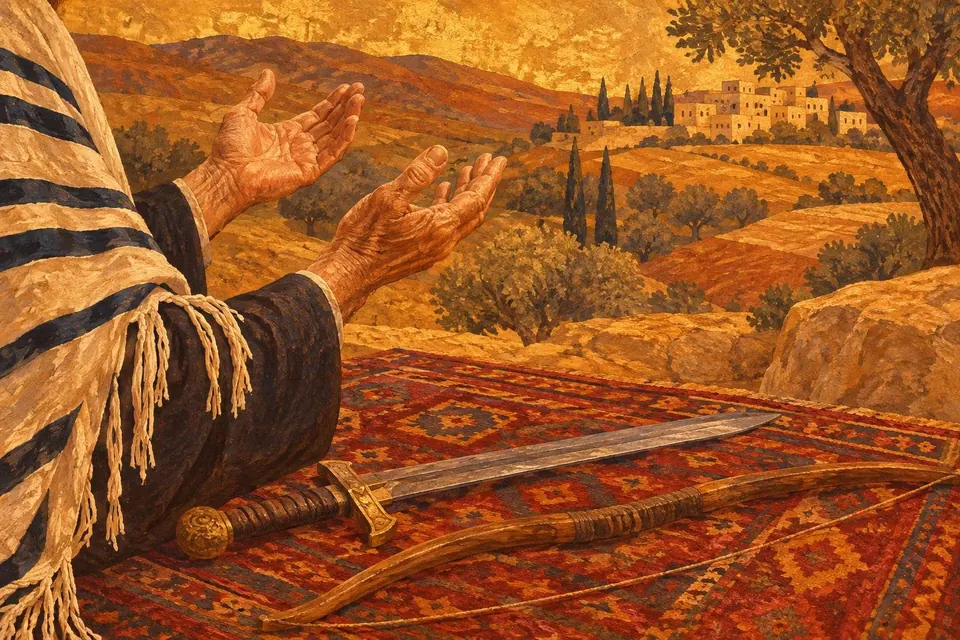
Vayera: Is Prayer Ever Wasted?
Abraham prayed for Sodom, although God knew the city would be destroyed.
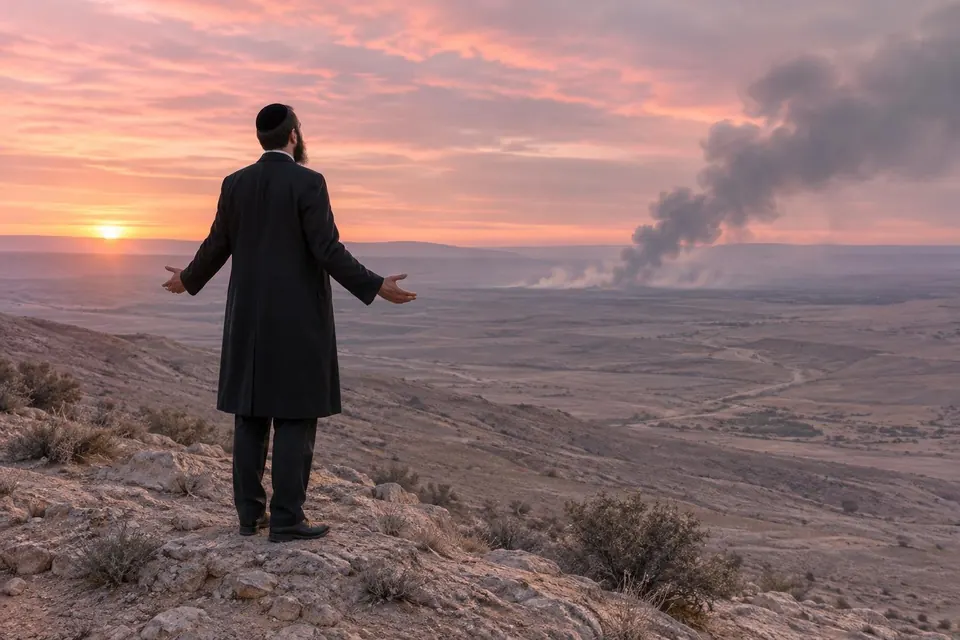
Vayeshev: Can You Run Away From Yourself?
The Midrash compares Jacob to someone who sits down among the dogs he fears.

Vayetzei: Return to Torah Study
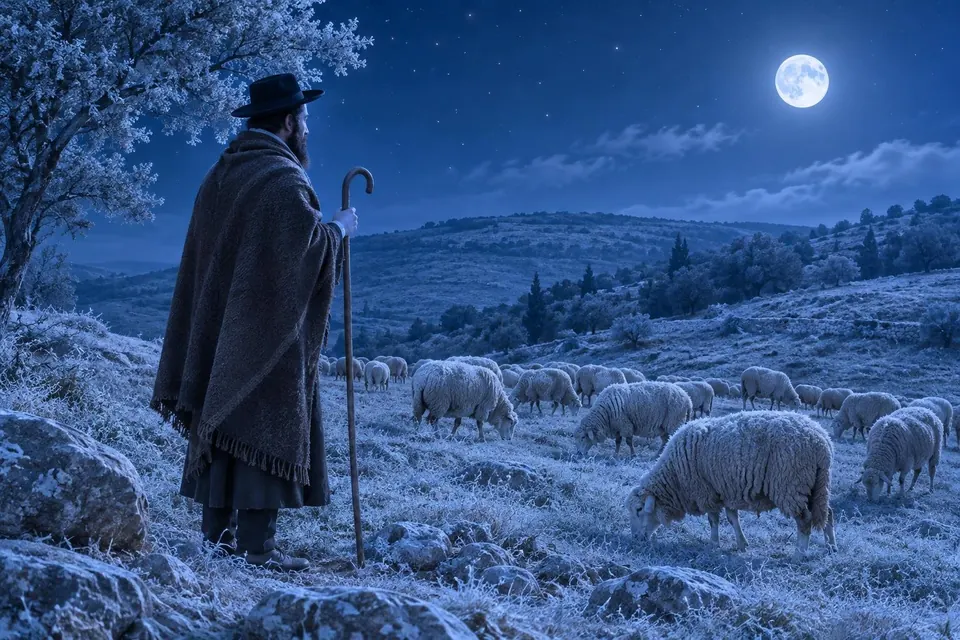
Jacob worked for Laban with all his strength and urged the shepherds not to waste time.
Vayetzei: Seven Years of Spiritual Growth
Jacob’s seven years of work for Rachel seemed like only a few days.
Vayigash: What Are You Selling Your Time For?
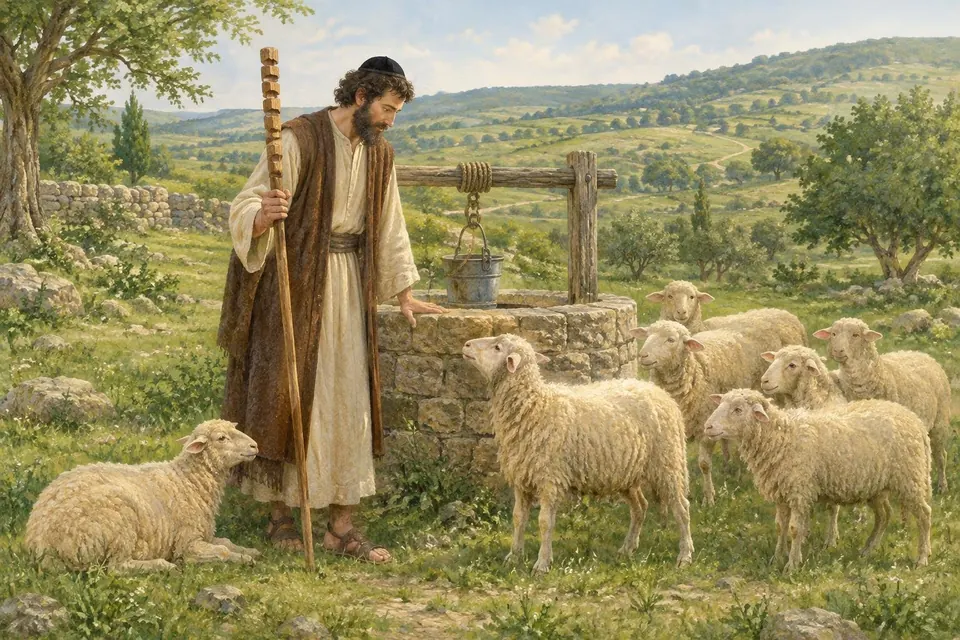
Joseph’s brothers could not answer him when he revealed who he was.

Vayikra: While the Candle Still Burns
God accepts repentance even at the end of a person’s life.
Vayishlach: Why Jacob Feared Killing Someone
Rashi explains that Jacob feared being killed and was distressed at the prospect of killing others.
Vayishlach: Why Was Jacob Afraid of Esau?
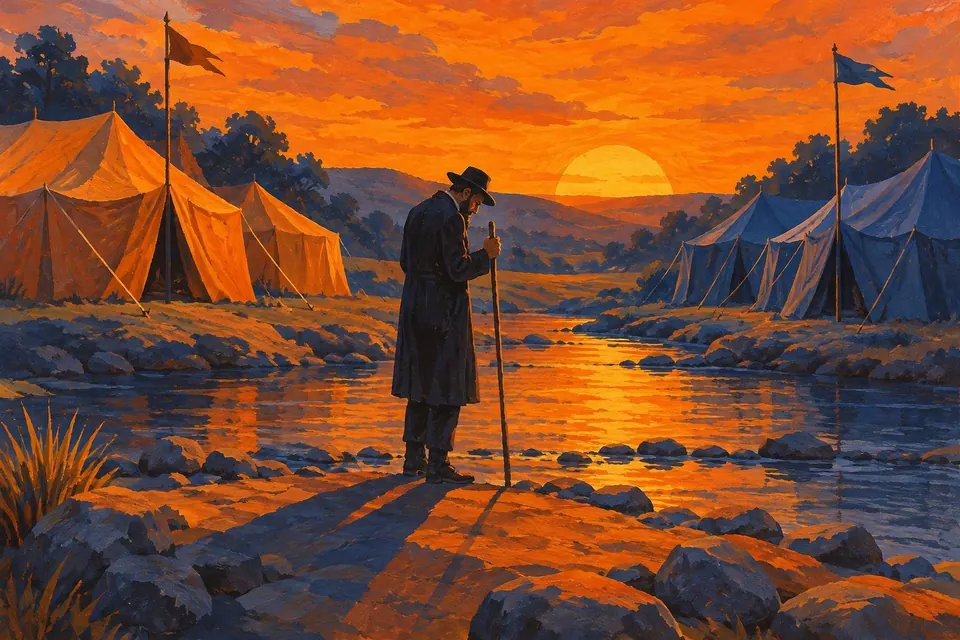
The Sages question why Jacob sent messengers to Esau instead of relying on God.
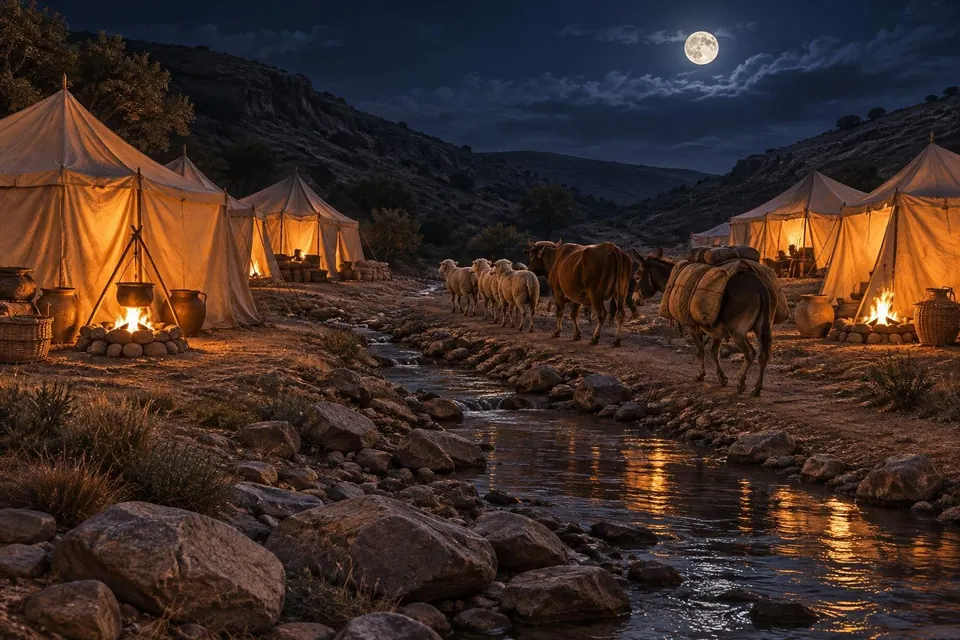
Was Rachel Right to Give Leah the Signs?
Rachel gave Leah the signs she and Jacob had arranged, sparing Leah from shame.

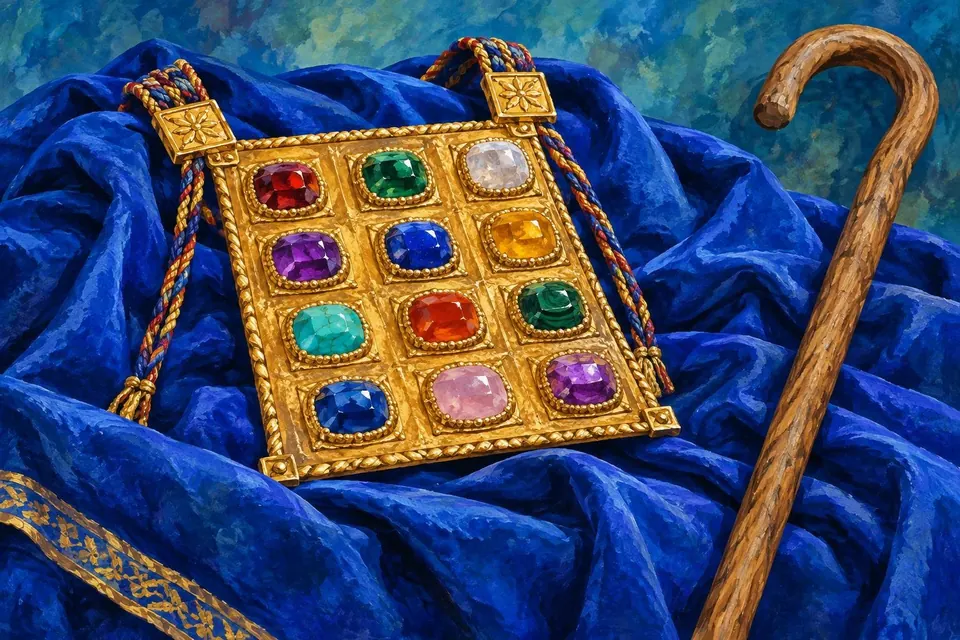
What Do the High Priest’s Twelve Stones Teach About Love?
The high priest’s garments offer lessons about serving the Creator.

What Does “Do Not Covet” Mean? A Vaetchanan Commentary
Maimonides distinguishes between desiring another person’s possessions and pressuring the owner until one acquires them.

What Is Chillul Hashem, or Desecration of God's Name?
The Talmud describes desecration of God's name as a particularly serious sin.
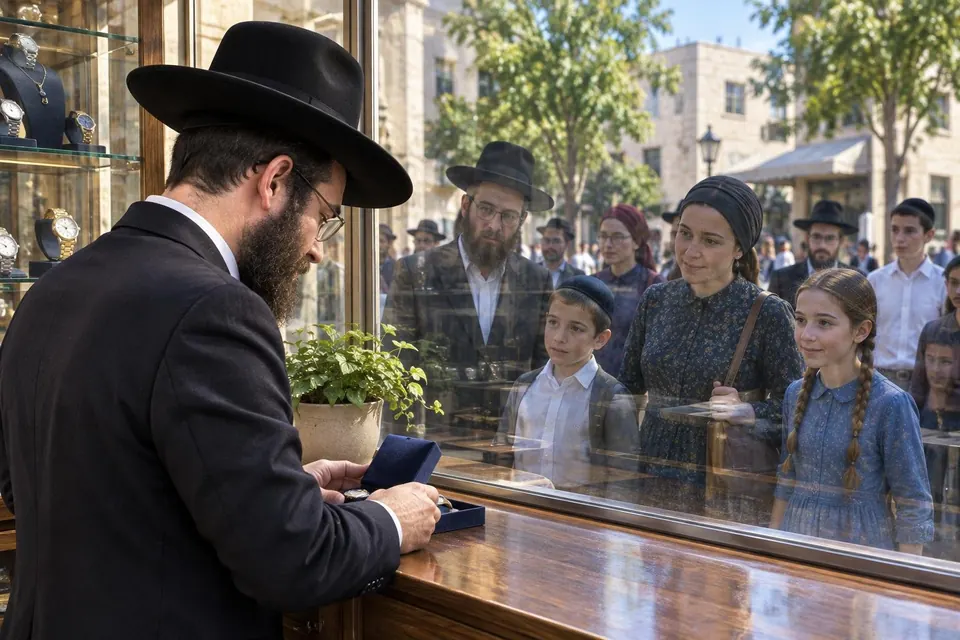
Who Is for God? Come to Me!
Rabbi Shimon Schwab visited the Chafetz Chaim before returning to America.

Why Being a Good Person Is Not Enough
Elul is a time for prayer, self-examination, repentance, and good deeds.

Why Did Esau Sell the Birthright?
The birthright offered the privilege of serving God and receiving Abraham’s blessings.
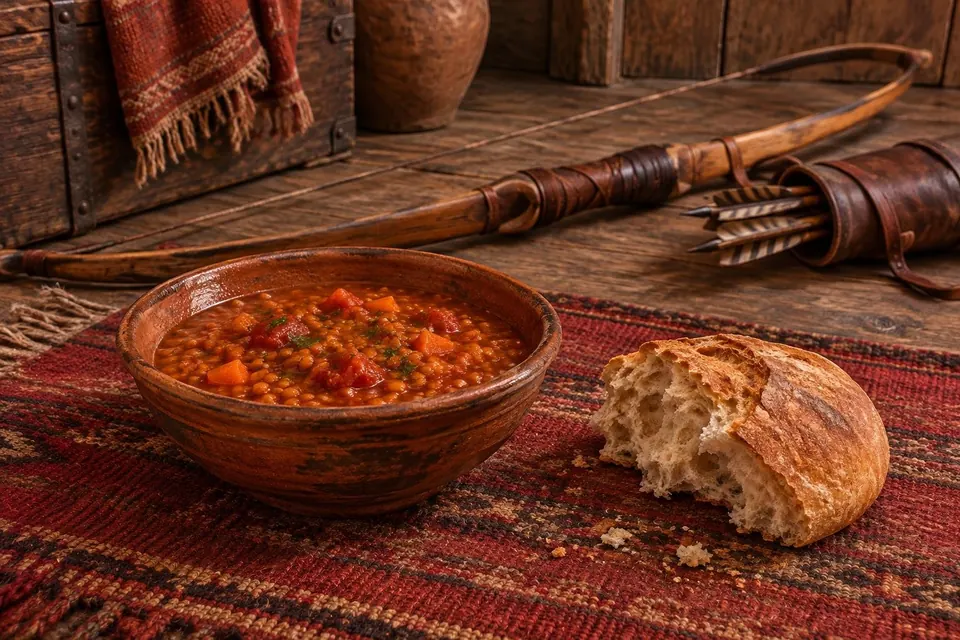
Why Did Isaac Want to Bless Esau Instead of Jacob?
The childhood explanation that Esau deceived Isaac raises further questions.
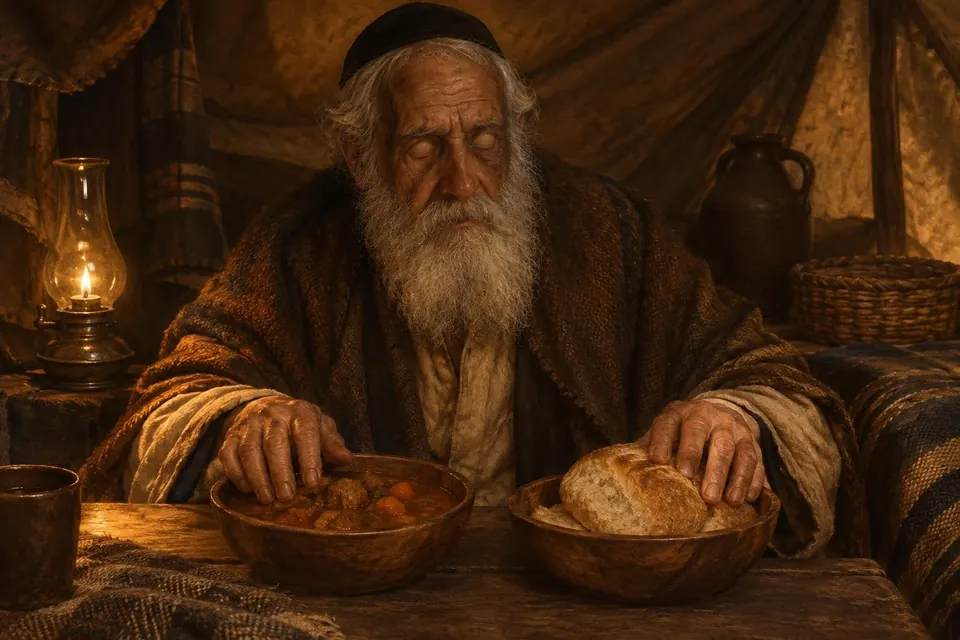
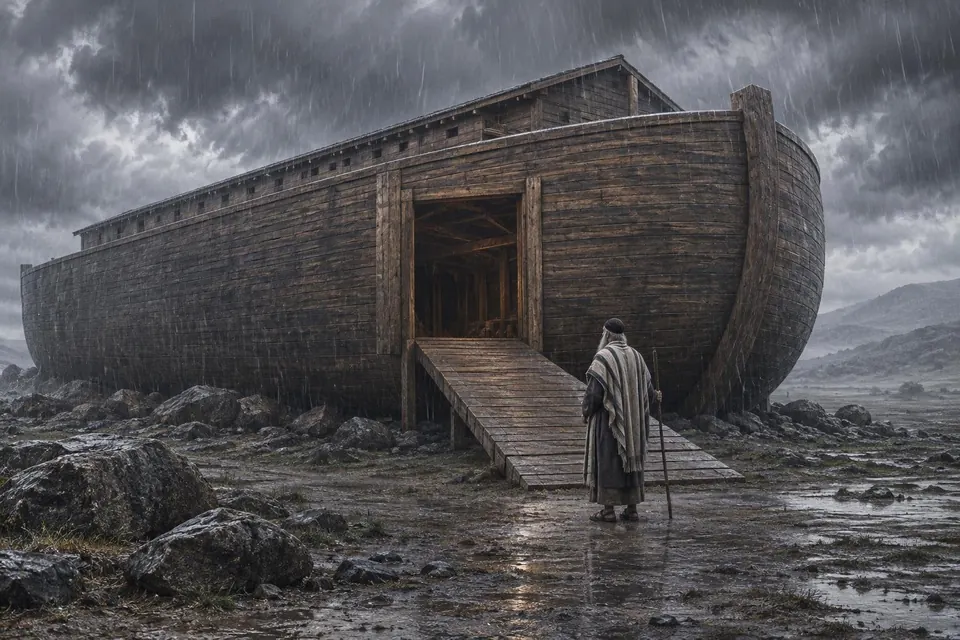
Why Did Noah Wait to Enter the Ark?
Noah hoped that even one person in his generation would repent.
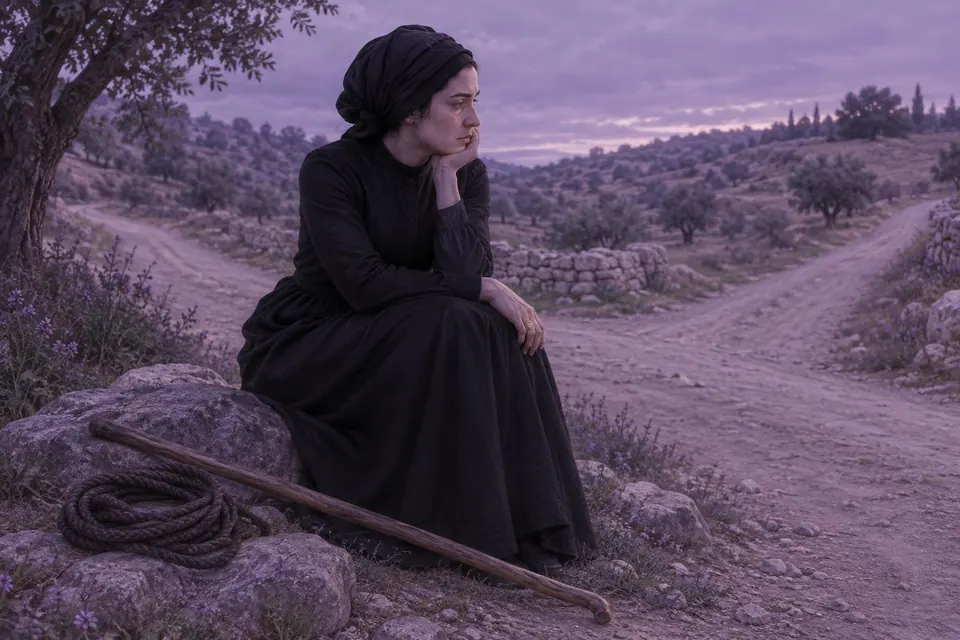
Why Did Peninnah Provoke Hannah?
Peninnah knew that Hannah needed divine help to have children.

Why Did Tamar and the Righteous Suffer?
Joseph and Tamar suffer isolation and suspicion, yet retain their composure.
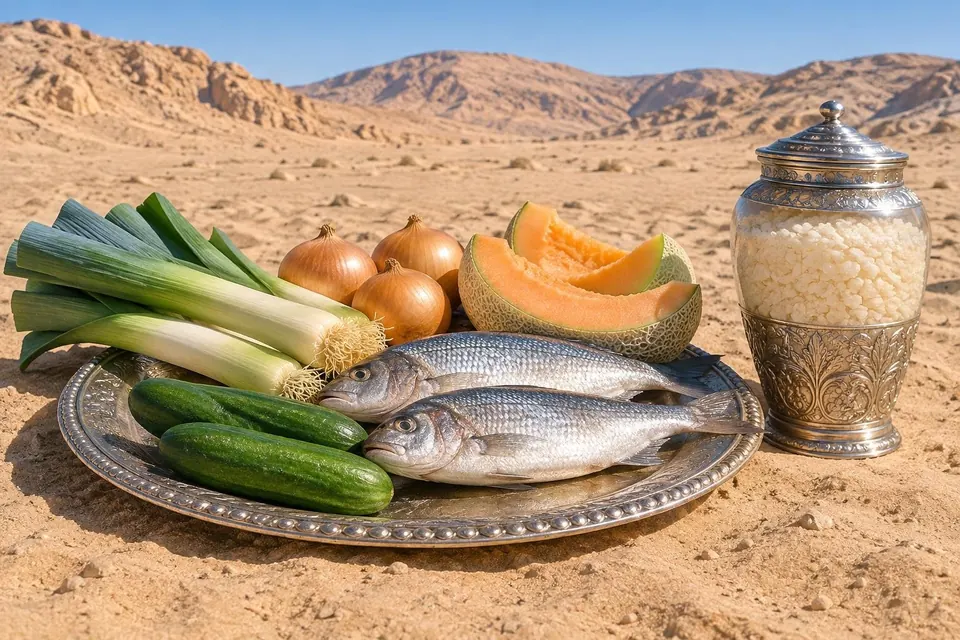
Why Did the Israelites Crave Fish Instead of Manna?
The Israelites remembered the foods they had eaten in Egypt and complained about the manna.
Why Did the Jews Experience Slavery in Egypt?
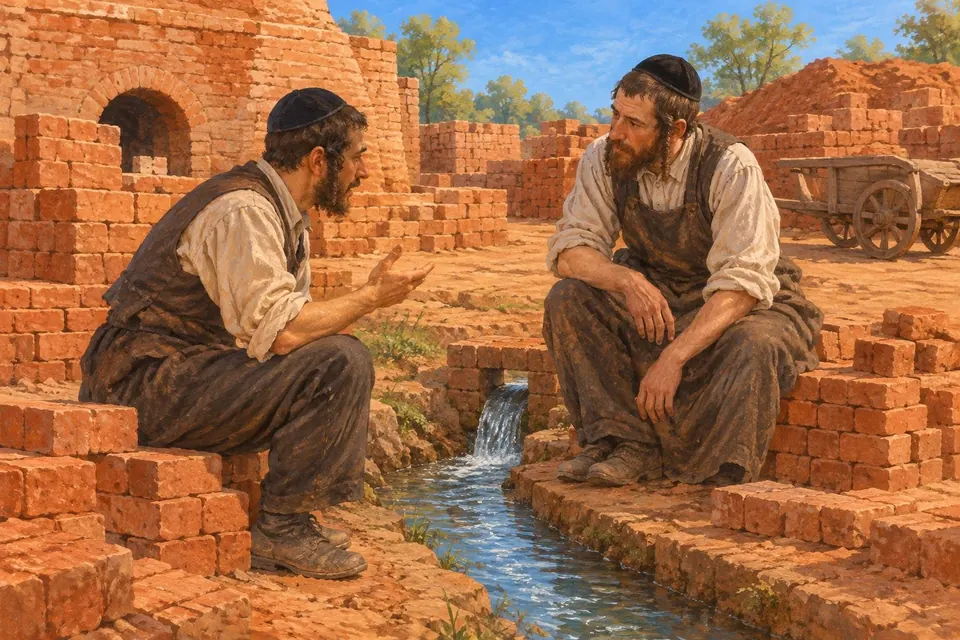
The Ben Ish Chai uses a parable to explain why the Israelites experienced slavery in Egypt.

Why Didn't Miracles Prove Moses Was Right About Korach?
The manna seemed to reveal who was righteous, yet many people followed Korach.
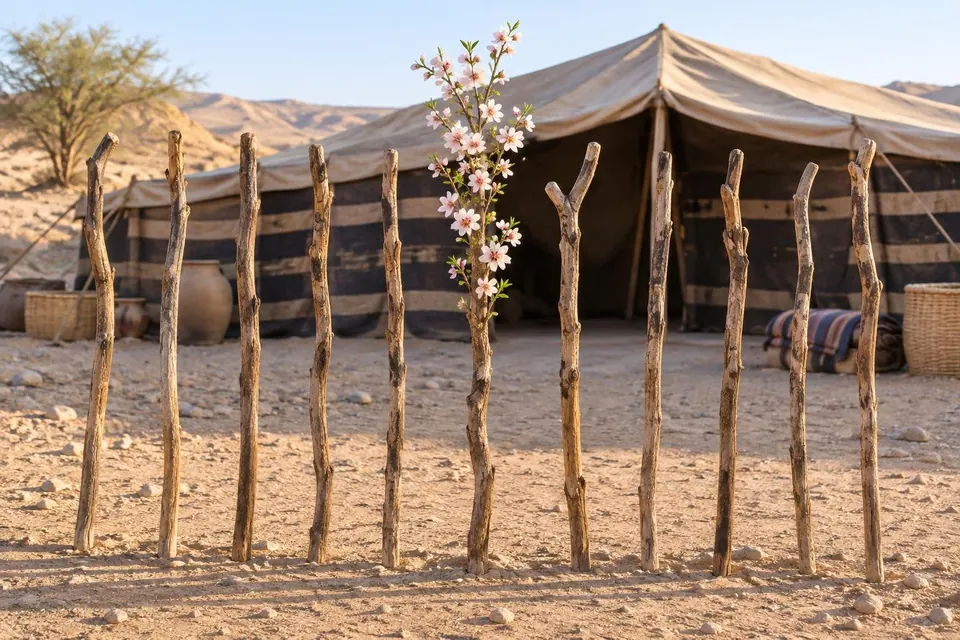
Why Didn’t Moses’ Sons Succeed Him?
After the daughters of Zelophehad received their inheritance, Moses asked that his sons succeed him.
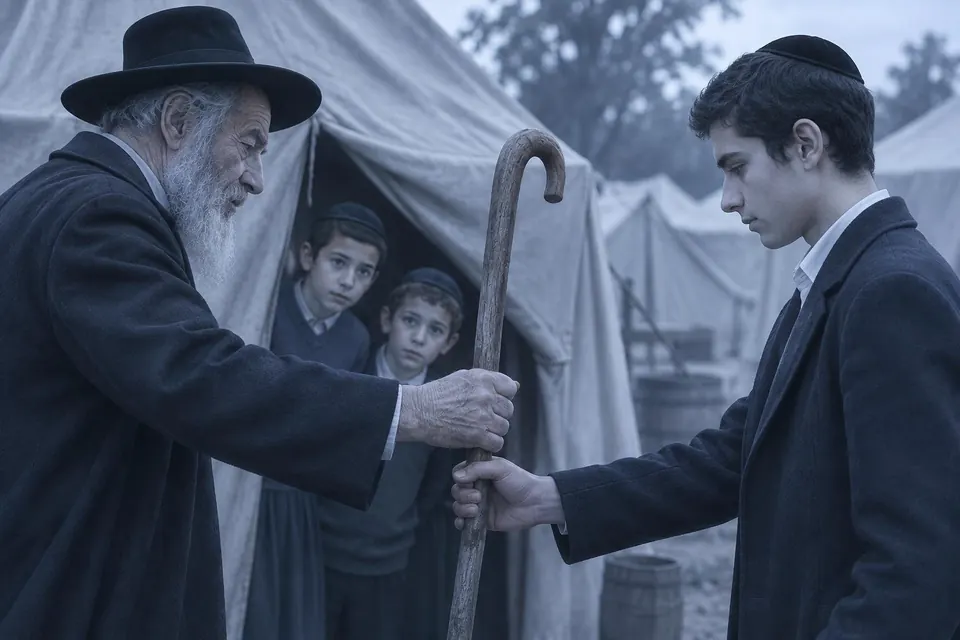
Why Does the Torah Command the Land to Rest?
Some commentators explain the land’s rest as a way to restore its strength.

Why Is Gold So Valuable According to the Torah?
The Torah describes gold as good in its account of Creation, before people could have assigned it a value.

Why Is Moses Not Mentioned in Parashat Tetzaveh?
Baal HaTurim connects the absence of Moses’ name to his plea to be erased from God’s book.

Why Is Shemitah Connected to Mount Sinai?
Shemitah teaches that the land and everything in the world belong to God.
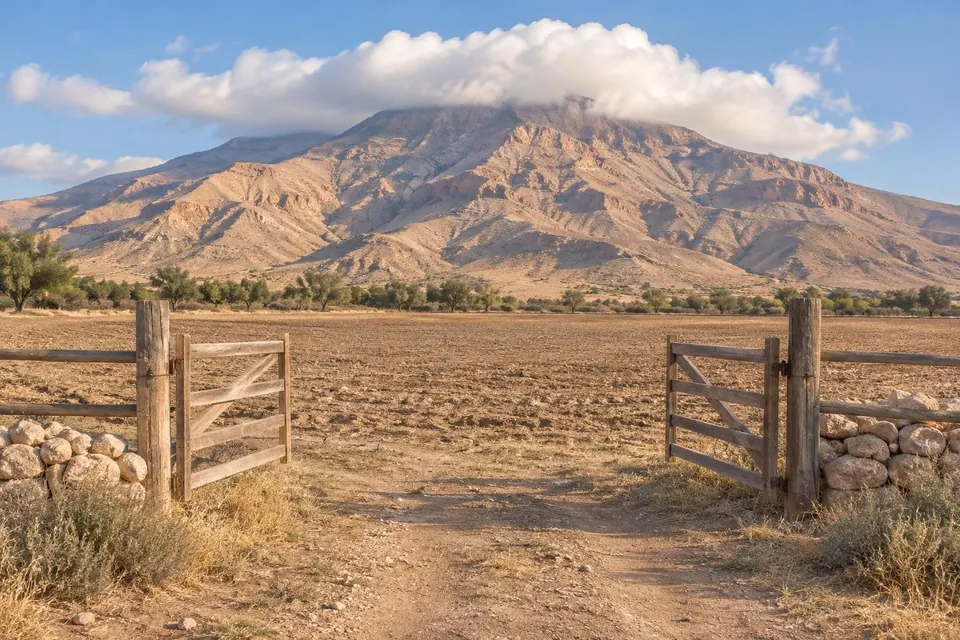
Why Was Abraham’s First Test as Hard as His Last?
The Midrash compares Abraham’s first test, leaving his homeland, to his last, the sacrifice of Isaac.

Why Was Jacob Afraid of Esau?
Jacob feared that a sin might have made him vulnerable to Esau.
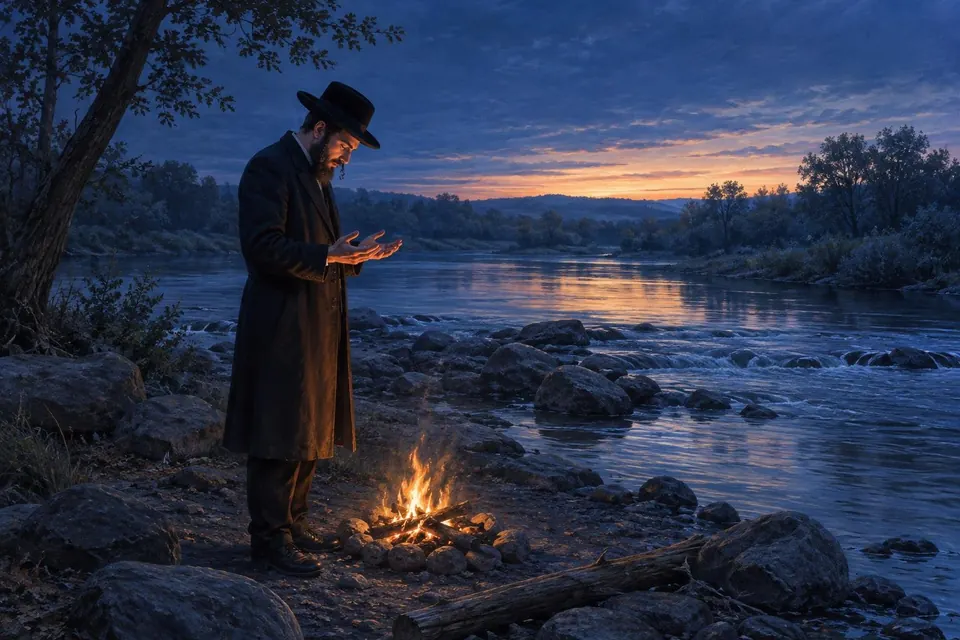
Why Was Moses Punished for Hitting the Rock?
Maimonides says Moses' sin was his anger at the people, not his striking the rock.

Why Was Rachel Buried on the Road?
Rashi explains that Rachel was buried on the road so she could plead for her children as they went into exile.
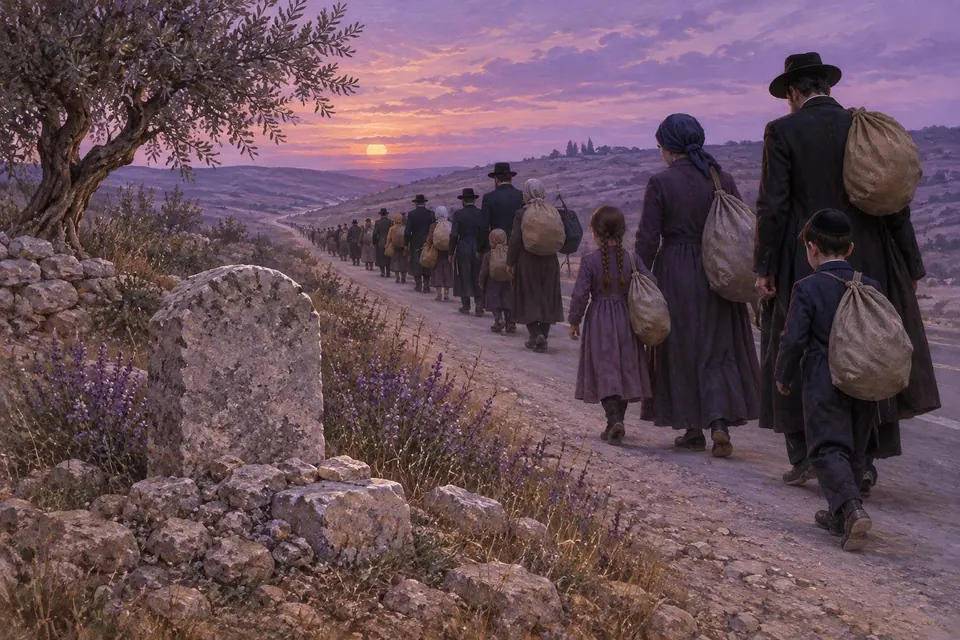
Why Were the Midwives Called Shifra and Puah?
Rashi identifies Shifra and Puah as Yocheved and Miriam.
Yitro: A Representative of the Dead
A burial society chairman agreed to support religious needs and Torah study for the benefit of the dead.

Yitro: “My Sons’ Faces Do Not Yet Shine”
A Midrash says God gave the Israelites time to recover from slavery before giving them the Torah.