Vaetchanan: The Jewish Password
Rabbi Yaakov Galinsky recalls how the Shema helped him find refuge in the Soviet Union.
In brief
- The Shema is a prayer that Jews share wherever they live.
- The sages teach that reciting it morning and evening can protect Israel in battle.
- Rabbi Yaakov Galinsky found refuge with a Jewish shoeshiner in the Soviet Union after they recognized each other through the Shema.
- He also recounts how enemy soldiers recognized one another as Jews through the prayer during World War I.
Parashat Vaetchanan#
“Who is like Your people Israel, one nation on earth?” (1 Chronicles 17:21). What unites a people? What makes them one nation?
What do Jews have in common wherever they live, in the west and the east, in the north and the south?
The Book of Esther says, “There is one people” [Esther 3:8]. The Midrash says: “A people who say every day, ‘Hear, Israel, the Lord is our God, the Lord is one.’”
The Book of Deuteronomy says: “Hear, Israel! Today you are going into battle against your enemies. Do not lose heart. Do not be afraid, do not panic, and do not tremble before them. For the Lord your God goes with you to fight your enemies for you and to save you” [Deuteronomy 20:3–4]. Why do these words begin with “Hear, Israel”? God is, in effect, saying: Even if you have fulfilled only one mitzvah—reciting the Shema morning and evening—you will not be delivered into their hands [Sotah 42a].
I learned this from experience. When we fled Hitler, I ended up in the Soviet Union. I was at a station, waiting for a train. Something happened, and the train never came. Night was falling, and at night the NKVD officers would come. They knew that the local residents went home, so they questioned everyone still at the station: Who were they? Where had they come from? Where were they going? I was a Polish refugee without the required papers, and this was Stalin’s Russia.
The sun was setting. What could I do?
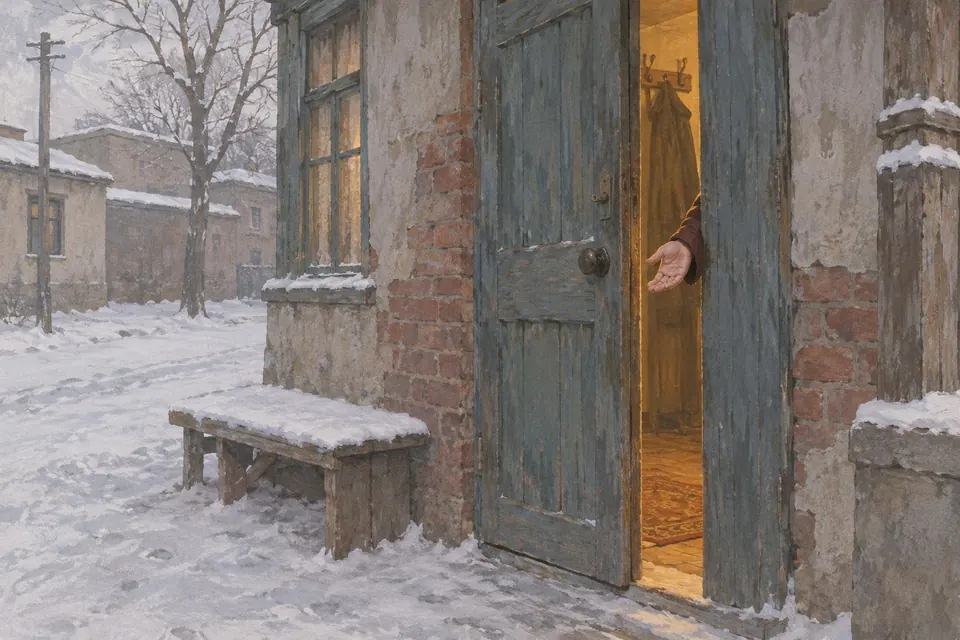
A shoeshiner was sitting in the corner. I noticed that he had a beard. Of course, that didn’t prove anything, but it was worth a try. I went over and quietly said to him, “Shema Yisrael, Hashem Elokeinu, Hashem Echad” (“Hear, Israel, the Lord is our God, the Lord is one” [Deuteronomy 6:4]). If he was not Jewish, he wouldn’t understand a word.
He looked up and answered, “Baruch Shem Kvod Malchuto Leolam Vaed” (“Blessed is the name of His glorious kingdom forever and ever”). That was all he knew.
I spoke Yiddish, and he spoke Russian and Bukharian, but Jews don’t need more than that. He took me home, and I stayed with him for 11 days, until I had a chance to continue my journey.
And how many times did it happen during World War I, when many Jews served in opposing armies, that an advancing soldier took aim at a Jewish soldier? Realizing that his last hour had come, the Jewish soldier would cry, “Shema Yisrael!” The soldier from the enemy army would continue, “Hashem Elokeinu, Hashem Echad!” and lower his weapon.
By Rabbi Yaakov Galinsky
Keep reading
More →Do Segulot and Red Strings Really Work in Judaism?
Why Did God Create the World? A Reflection on Eikev
A reading from Isaiah and a teaching of Nachmanides explore the purpose of creation and the role of the Jewish people.
Jewish BeliefsWhat Does God’s Image Mean for Human Power?
Being created in God’s image gives human actions consequences that can reach far beyond what we can see.








