Korach: How to Avoid Arguments
Two stories show how choosing not to argue can keep a dispute from growing.
In brief
- Rabbi Yosef Shlomo Kahaneman was known for his personal charm and his success raising money for yeshivas.
- The Chafetz Chaim blessed him with success, but warned him that he would never win an argument.
- Rabbi Shlomo Zalman Auerbach taught that refusing to respond can prevent a dispute from continuing.
The Portion of Korach#
Rabbi Yosef Shlomo Kahaneman, the Ponevezh Rav, was not only a great sage and a righteous man. He was also known for his personal charm and his ability to raise substantial funds to support yeshivas. A person cannot be an effective fundraiser without being pleasant to talk to. People generally will not give a penny to someone they dislike. Rabbi Kahaneman was so charming that even a stone might have given him money!
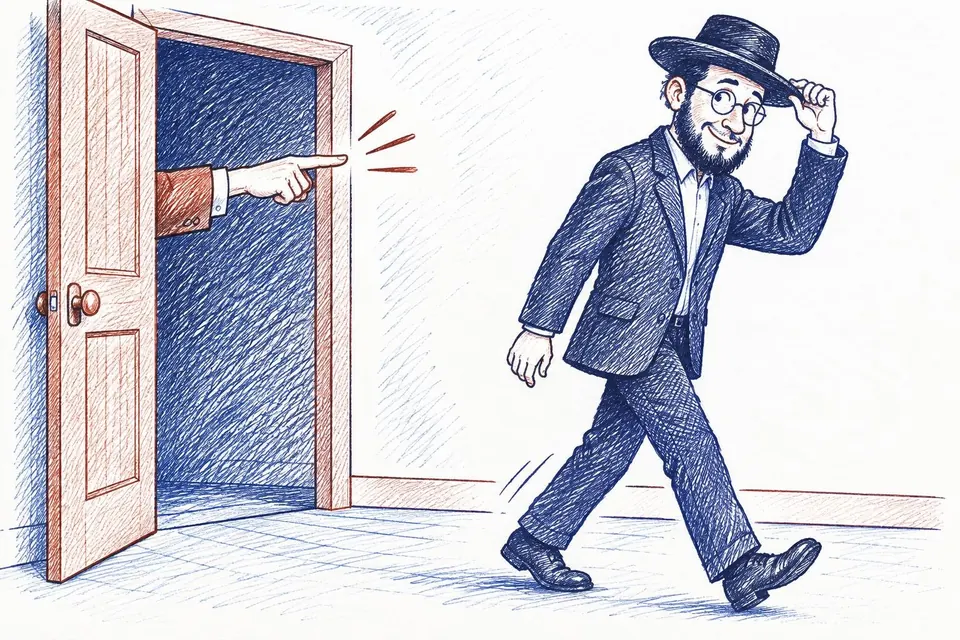
Rabbi Kahaneman told a story about a visit to London, where a member of the local community shouted at him and said unpleasant things about him. The London rabbinical court was deeply upset by the incident, and the rabbis even wanted to place the man under cherem (excommunication from the community). Rabbi Kahaneman told the respected rabbis that he had received a tradition from the Chafetz Chaim that ruled out that option entirely. The Chafetz Chaim had once blessed Rabbi Kahaneman with success in everything he did, with one exception: he would never win if he chose to argue with someone. “Everything you touch will turn to gold, and you will be successful. But you will meet with nothing but failure in any dispute you choose to enter.”
Rabbi Yosef Shlomo begged the court not to take any action against the man who had insulted him. Such a response certainly requires a high level of self-control.
But what about ordinary people? I heard a story about a family caught up in a conflict who came to Rabbi Shlomo Zalman Auerbach for advice. Rabbi Shlomo Zalman read them a verse from Psalms (38:13): “But I am like a deaf person; I do not hear, and like a mute person who does not open his mouth.” He pointed out that the verse begins in the first person, lo eshma (“I do not hear”), but ends in the third person, lo yiftach piv (“he does not open his mouth”). Why is the sentence constructed this way?
Rabbi Shlomo Zalman explained that the verse teaches us how to behave in a dispute. If the person who has been insulted can say, “I will be like a deaf person and will not listen to what is being said about me,” then the other person—their opponent in the dispute—will find no one to argue with and, as a result, “will not open his mouth” again. After all, it takes at least two people to argue!
By Rabbi Yissocher Frand
Keep reading
More →Vaera: The Soccer Player and the Magician
A story about a soccer player helps explain why seeing something can affect us more deeply than knowing it.
CharacterLashon Hara and Free Speech: Life and Death in the Tongue
Jewish teachings on the power of speech challenge us to consider how we use our words.
ParashaBehaalotecha: What Makes a Response to Tragedy Cruel?
Maimonides calls it cruel to dismiss communal tragedy as simply part of life.
ParashaKorach: Who Wins an Argument?
Moses’ response to a painful accusation offers a lesson in walking away from conflict.







